Fuel Prices Stable Now, but Further Increases Expected Soon
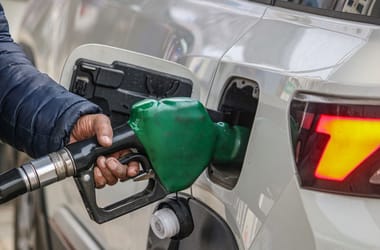
Fuel prices are not expected to change at the moment, but a further increase is anticipated in the near future. This potential price hike is linked to the renewed US-Iran conflict, which has significantly impacted traffic in the Strait of Hormuz. The flow of maritime traffic through this crucial waterway has fallen to a multi-week low. The Strait of Hormuz is a vital chokepoint for global oil transportation, and disruptions there can have immediate and far-reaching consequences on global energy markets. The current situation suggests that geopolitical tensions are once again proving to be a major driver of energy commodity prices. Consumers may need to prepare for higher fuel costs as the situation develops.
Geopolitical tensions in the Strait of Hormuz, a critical global energy transit point, have led to a significant reduction in traffic, reaching a multi-week low. This disruption, stemming from renewed US-Iran conflict, directly impacts the supply chain for oil and gas. While immediate fuel prices may remain stable, the underlying instability and reduced transit capacity create upward pressure on future prices. This situation highlights the vulnerability of global energy markets to regional conflicts and the strategic importance of maintaining open maritime routes. The long-term implications involve increased price volatility and potential shifts in global energy trade dynamics as nations reassess supply security.
AI-generated to prompt reflection — not editorial opinion, not advice, not a statement of fact. How this works.