Fuel Prices: Unleaded Gasoline Nears €2 Per Liter, Station Owners Predict
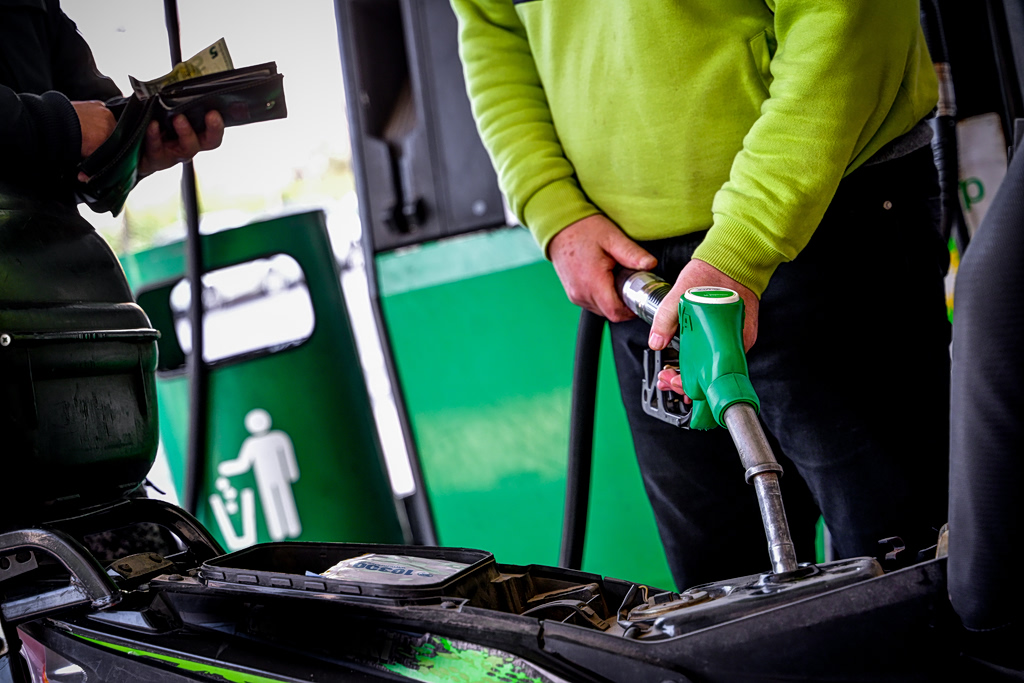
Gas station owners in Greece are anticipating that the price of unleaded gasoline will soon reach €2 per liter. This potential price hike is causing concern among consumers and industry professionals alike. The current trend suggests a continued upward trajectory for fuel costs across the country. This development is expected to impact household budgets and the broader economy, potentially leading to increased transportation costs for goods and services. Station owners are closely monitoring market fluctuations and international oil prices to forecast future changes. The situation highlights the sensitivity of fuel prices to global economic factors and geopolitical events. Consumers are advised to stay informed about price developments and consider potential adjustments to their spending habits. The approaching €2 mark represents a significant psychological and economic threshold for many.
Further analysis from industry experts suggests that a combination of factors, including supply chain disruptions and increased demand, are contributing to the rising fuel costs. The Greek market, like many others globally, is subject to these broader economic forces. The anticipation of reaching this price point underscores the volatility of the energy market. Station owners are preparing for potential shifts in consumer behavior and demand as prices climb. The coming weeks will be crucial in determining whether this €2 per liter threshold is indeed crossed and what the subsequent market response will be.
The projected increase in unleaded gasoline prices to €2 per liter in Greece reflects broader global energy market dynamics, including supply chain vulnerabilities and demand shifts. This price point may incentivize a faster transition towards more fuel-efficient vehicles and alternative energy sources, driven by consumer cost-consciousness. Over the next decade, such price pressures could accelerate the adoption of electric mobility and renewable energy infrastructure, aligning with global decarbonization trends. The situation presents a challenge for consumers and businesses reliant on traditional fuels, while simultaneously offering an opportunity for innovation and investment in sustainable energy solutions.
AI-generated to prompt reflection — not editorial opinion, not advice, not a statement of fact. How this works.