Fuel Stations Fined for Missing Signs and Pump Issues in São João del Rei
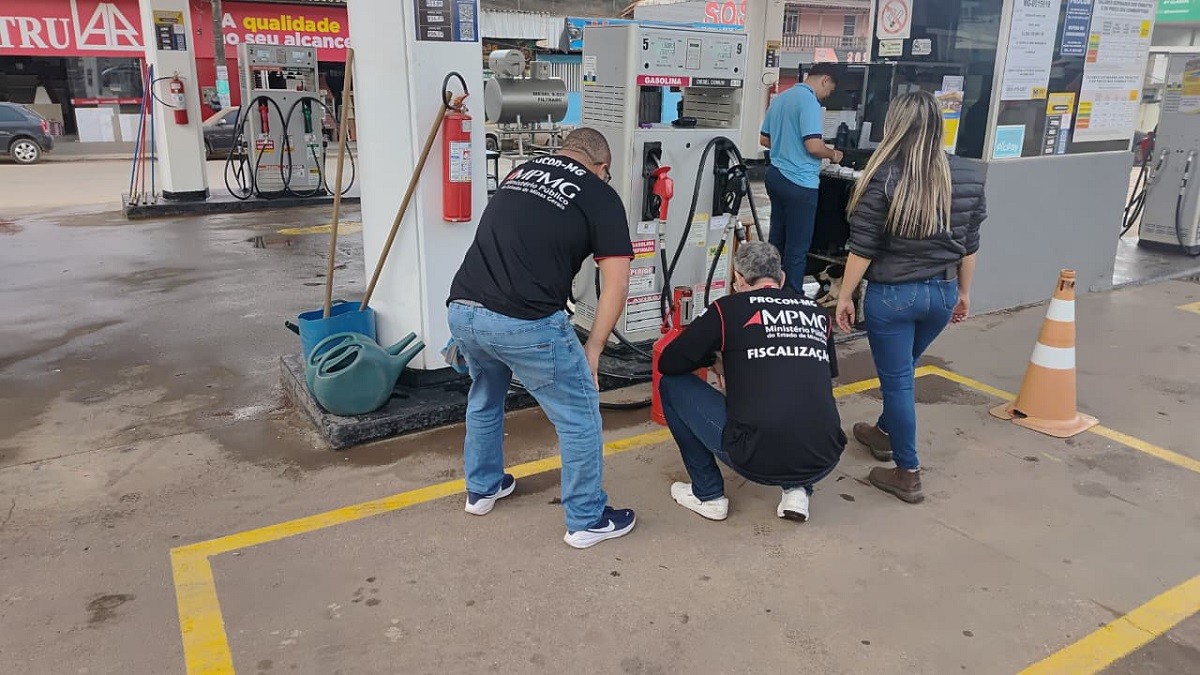
The Procon of the Public Ministry of Minas Gerais (Procon-MPMG) has fined fifteen fuel stations during a recent inspection across five municipalities in the state. The operation, which took place between Tuesday, May 21st, and Thursday, May 23rd, also led to the closure of three fuel pumps for dispensing less fuel than indicated. A total of 36 establishments were inspected in São João del Rei, Entre Rios de Minas, Resende Costa, Itabira, and João Monlevade.
São João del Rei registered the highest number of violations, with 12 out of 22 inspected stations facing penalties. Irregularities included expired operating permits, a lack of information comparing ethanol and gasoline prices, missing price signs at entrances, omission of additive gasoline prices on display boards, and dirty or fogged-up thermodensimeters, which are used to measure liquid density and temperature and are common on ethanol pumps. These issues hindered the clear display of crucial information to consumers.
The Procon-MPMG stated that this operation is part of its ongoing efforts to ensure compliance with consumer protection laws, promote transparency in commercial transactions, and prevent practices that could harm consumers. The names of the penalized establishments were not disclosed.
This enforcement action by Procon-MPMG highlights ongoing challenges in maintaining transparency and accuracy within the fuel retail sector. The identified issues, ranging from expired permits to misleading price displays and faulty dispensing equipment, suggest systemic vulnerabilities in oversight and compliance. Such practices can erode consumer trust and create an uneven playing field for legitimate businesses. Moving forward, a focus on leveraging technology for real-time monitoring of pump accuracy and regulatory compliance, coupled with robust consumer education initiatives, could strengthen market integrity. Examining the incentives for station operators to maintain compliance versus the risks of non-compliance will be crucial for long-term effectiveness.
AI-generated to prompt reflection — not editorial opinion, not advice, not a statement of fact. How this works.