Fueling Up Off Highways Saves Less in Saarland, Germany
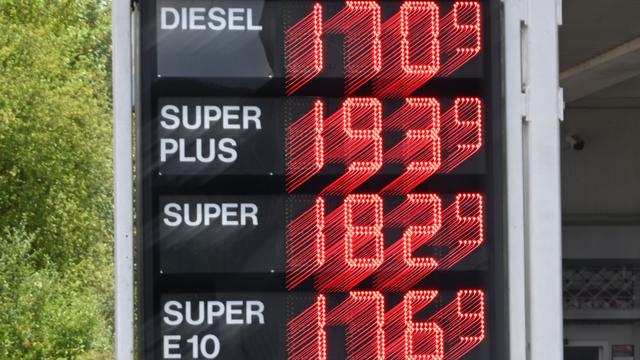
Drivers in Germany's Saarland region are finding that filling up their vehicles away from autobahns is no longer as cost-effective as it once was. Recent price comparisons indicate a narrowing gap between fuel prices on major highways and those found in smaller towns or rural areas within the state. This trend suggests that the traditional savings associated with seeking out cheaper fuel stations off the beaten path are diminishing.
Previously, motorists could often achieve significant savings by bypassing autobahn service stations, which typically charge a premium. However, the current market dynamics in Saarland appear to be leveling these price differences. This shift may influence driver behavior and fuel purchasing strategies, potentially leading more people to fuel up directly on their routes without the added effort of detouring.
The observed reduction in fuel price differentials between autobahn stations and off-highway locations in Saarland reflects evolving market dynamics and potentially increased competition or standardized pricing strategies among fuel providers. This shift challenges the long-held assumption that detouring from major routes invariably yields substantial savings. As transportation costs remain a significant factor for consumers and businesses, such price adjustments can influence consumer behavior, route planning, and the economic viability of rural versus highway-adjacent service areas. Understanding the underlying causes, whether regulatory, competitive, or operational, is key to anticipating future trends in fuel pricing and their impact on regional economies and traveler choices.
AI-generated to prompt reflection — not editorial opinion, not advice, not a statement of fact. How this works.