Fugitive Clinic Owner Denounced by Patients Remains Active on Social Media
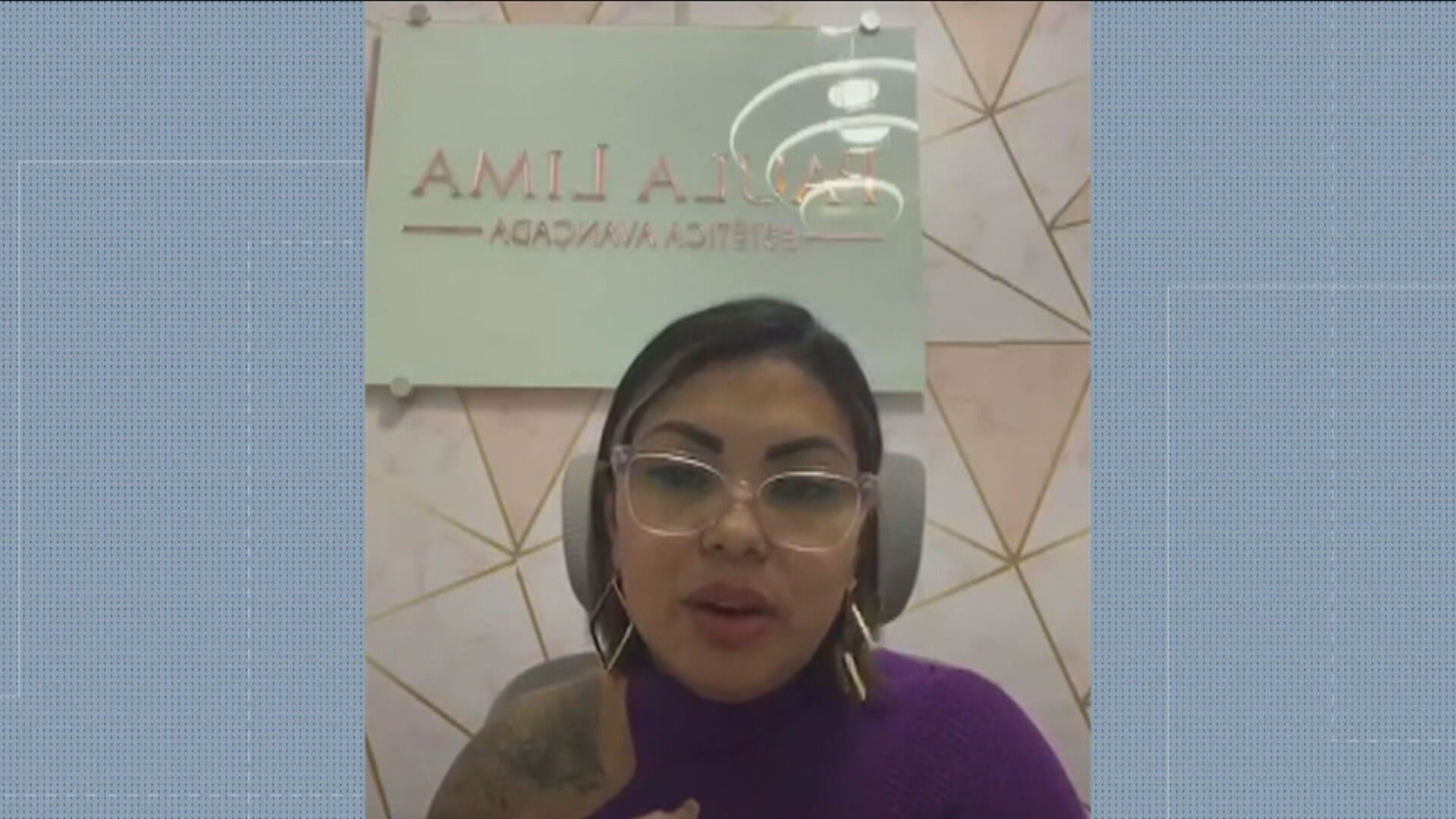
Police in São João de Meriti, Brazil, are searching for Ana Paula Lima de Souza Mariano, the owner of an aesthetic clinic, who is a fugitive from justice. She was previously targeted in a police operation last month but continues to be active on social media. At least 20 patients have reported suffering severe complications following procedures performed by Mariano. Investigations reveal that Mariano advertised gluteal remodeling procedures using hyaluronic acid, but instead administered polymethylmethacrylate (PMMA), a substance prohibited for aesthetic use by Brazil's Federal Council of Medicine and Dentistry.
According to Detective Wellington Vieira, Mariano lacked the necessary specialization for such invasive procedures, and her assistant, who is currently detained, also lacked qualifications. The clinic was found to have numerous irregularities, including expired materials. Despite an open arrest warrant, Mariano has reportedly shifted her focus to micropigmentation services and continues to update her social media, stating, "The more they talk about me, the more likes and followers I gain." She has promoted her "Instituto Paula Lima" as operating normally in Madureira and Vilar dos Teles, with plans to open in Barra da Tijuca.
Victims have reported lasting physical and emotional consequences, including multiple nodules and foreign bodies in their glúteos, as well as blood infections requiring hospitalization and antibiotic treatment. One patient, Juliana Ribeiro, described needing 14 days of intravenous antibiotics and subsequent hospitalization due to a detected bacteria. Another patient, Clara Veloso, experienced intense pain, fever, and a 30-day hospitalization for a bacterial infection. Authorities are requesting public assistance to locate Mariano, with anonymity guaranteed.
This case highlights systemic vulnerabilities in aesthetic procedure regulation and oversight. The alleged use of prohibited substances and the lack of specialized training by practitioners point to potential gaps in enforcement and consumer protection mechanisms within the beauty industry. The fugitive owner's defiant social media presence, framing negative publicity as engagement, suggests a disregard for legal consequences and a potential exploitation of platform dynamics for perceived notoriety. This situation raises questions about the efficacy of current regulatory frameworks in preventing harm from unregulated or improperly administered cosmetic treatments and the challenges authorities face in apprehending individuals who operate across different service areas while remaining publicly visible online.
AI-generated to prompt reflection — not editorial opinion, not advice, not a statement of fact. How this works.