Fujimorismo Returns to Power: Peru's Future Under Keiko Fujimori Uncertain
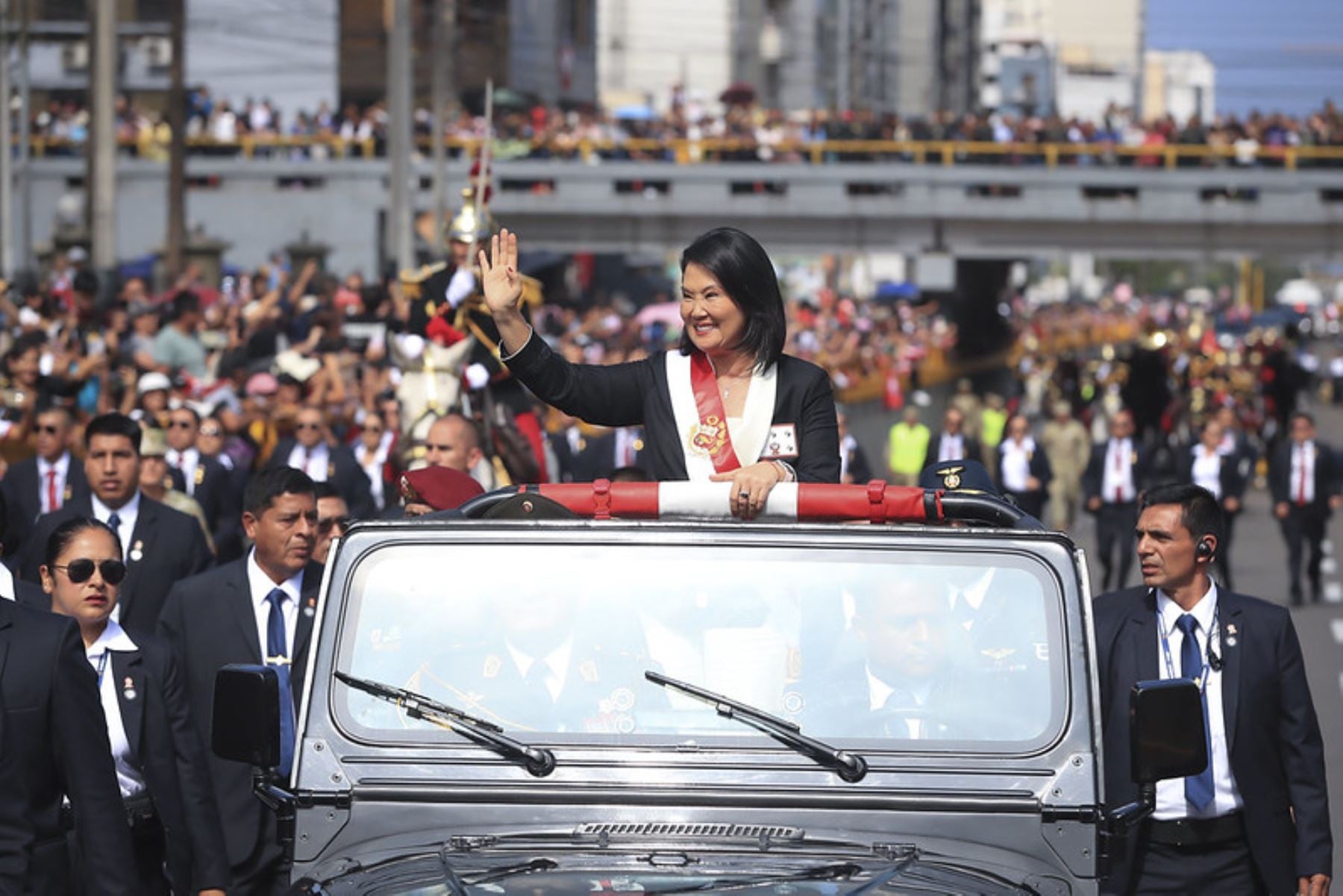
The political movement associated with former President Alberto Fujimori, known as Fujimorismo, has returned to power in Peru. This development raises questions about the country's future direction, particularly given Peru's current state of political polarization. Keiko Fujimori, daughter of Alberto Fujimori, is now at the helm, facing the shadow of international convictions against her father's government for human rights violations. Adding to the complex political landscape, there has been an announcement regarding the incorporation of the military into internal security matters. This move suggests a potential shift in how the government plans to address domestic security challenges.
The return of Fujimorismo to power in Peru, led by Keiko Fujimori, occurs against a backdrop of significant political polarization and a history of human rights concerns linked to her father's presidency. The integration of military forces into internal security affairs signals a potential emphasis on a more robust, state-led approach to public order. This strategy may be viewed as a response to perceived security challenges, but it also invites scrutiny regarding the balance between security needs and civil liberties. Future governance will likely navigate the tension between consolidating state authority and upholding democratic norms, particularly in a region sensitive to authoritarian overreach. The long-term implications will depend on the administration's ability to foster national unity and address underlying socio-economic issues that often fuel political instability.
AI-generated to prompt reflection — not editorial opinion, not advice, not a statement of fact. How this works.