Fukuoka Prefectural Assembly Faces Growing Allegations Over Cash Practices
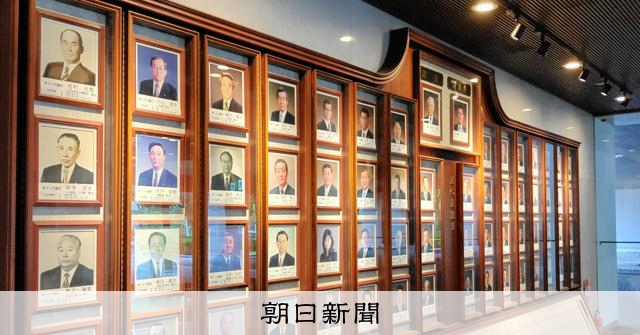
The Fukuoka Prefectural Assembly is embroiled in a deepening scandal involving cash transactions, with a growing number of testimonies emerging. A practice known as 'ase kaki' (sweat-wiping) has come under scrutiny, where participants reportedly received money. Despite the controversy, some individuals involved have described participating in this practice as an "honor." The exact nature and scale of these financial dealings remain unclear, but the recurring testimonies suggest a systemic issue within the assembly. Investigations are expected to delve into the origins of these funds and the motivations behind the 'ase kaki' custom. The allegations raise serious questions about transparency and accountability in local government. Further details are anticipated as more individuals come forward with their accounts.
The allegations surrounding the 'ase kaki' practice in the Fukuoka Prefectural Assembly highlight potential governance challenges related to financial transparency and customary financial exchanges. Such practices, even if described as honorable by participants, can create an environment susceptible to influence peddling or perceived impropriety, especially when public funds or positions are involved. Examining the incentive structures that perpetuate these customs, alongside the legal and ethical frameworks governing financial conduct in public office, is crucial. Moving forward, clearer guidelines and oversight mechanisms may be necessary to ensure public trust and prevent any erosion of democratic accountability, particularly as societal expectations for transparency continue to rise in the digital age.
AI-generated to prompt reflection — not editorial opinion, not advice, not a statement of fact. How this works.