Furnas Lake Recovers Volume After Rains, Potentially Lowering Electricity Bills
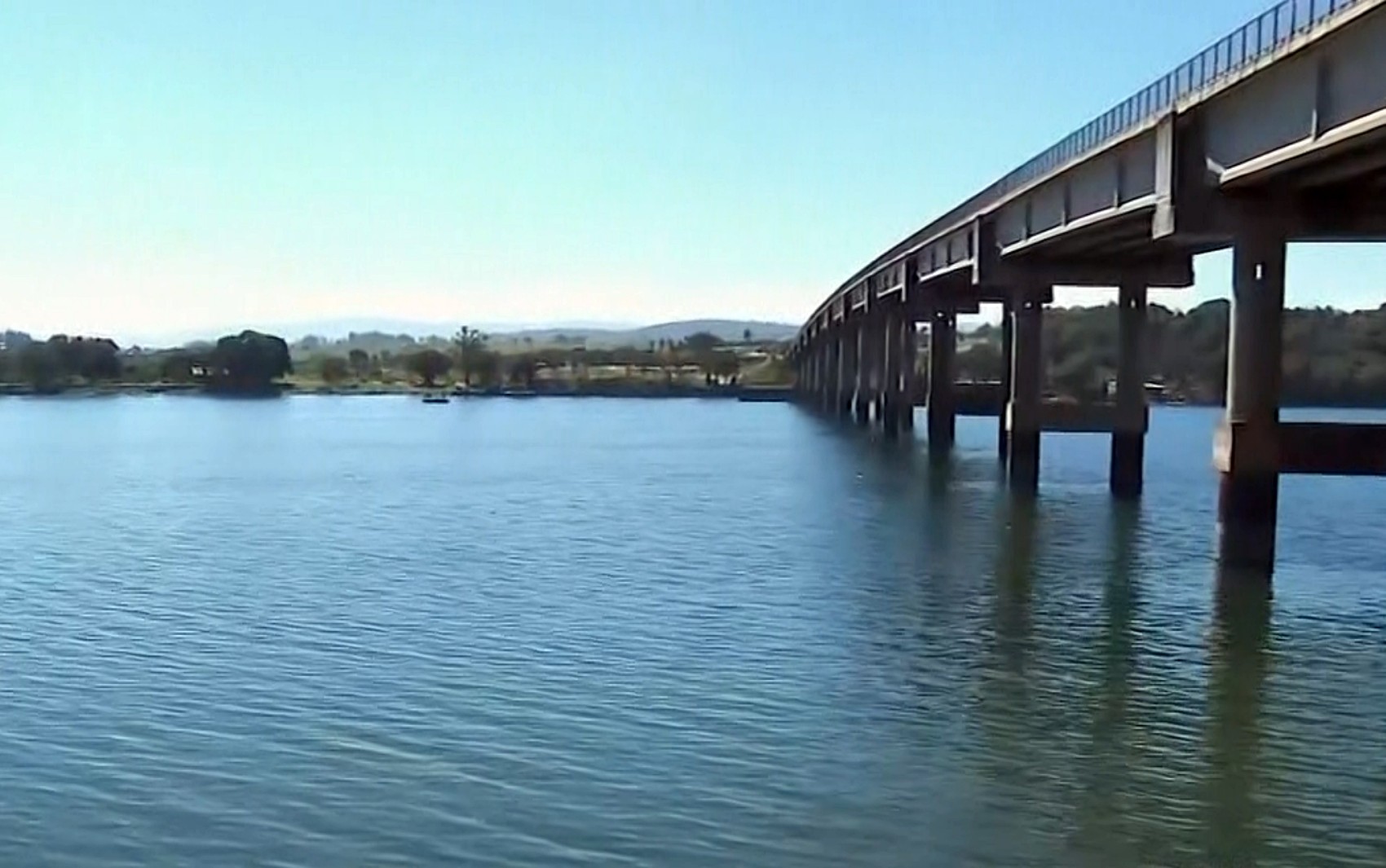
Furnas Lake in Minas Gerais, Brazil, has seen a significant increase in its water volume, reaching 67% of its useful capacity. This recovery, unusual for the winter season, was driven by rainfall 83% above the historical average in June. The lake had started the autumn at approximately 56% capacity, but the recent precipitation has allowed it to rebound. The rising water levels have visibly altered the landscape in areas like the bridge between Passos and São João Batista do Glória, reclaiming previously exposed land. Professor Carlos Barreira Martinez of Unifei attributes this improvement to a combination of favorable weather patterns and strategic national electricity system operations. He explained that the passage of cold fronts and humid air masses brought above-average rainfall across the Furnas basin. Additionally, the electricity system's operational strategy prioritized water conservation in reservoirs, facilitating the level increase and building a larger reserve for the coming months. This improved water availability is expected to reduce reliance on more expensive thermoelectric power plants, thereby easing pressure on electricity tariff "flags." However, Professor Martinez cautioned that overall electricity costs are influenced by the entire interconnected Brazilian energy system. Beyond energy, the lake's recovery also boosts tourism and recreational activities vital to the local economy.
The recent recovery of Furnas Lake's water levels, driven by atypical rainfall patterns and strategic energy management, presents a positive short-term outlook for regional electricity costs and tourism. This event highlights the interconnectedness of climate, water resource management, and energy infrastructure. The reliance on thermoelectric plants during periods of low reservoir levels underscores the vulnerability of the energy grid to hydrological fluctuations. Future energy policy might consider further diversifying generation sources or enhancing water conservation strategies to mitigate the impact of such cycles. The situation also prompts reflection on how localized climate anomalies can have cascading effects on national infrastructure and economic activities, emphasizing the need for adaptive planning in the face of evolving environmental conditions.
AI-generated to prompt reflection — not editorial opinion, not advice, not a statement of fact. How this works.