Fusion Drives: A Long-Held Dream for Interstellar Space Travel
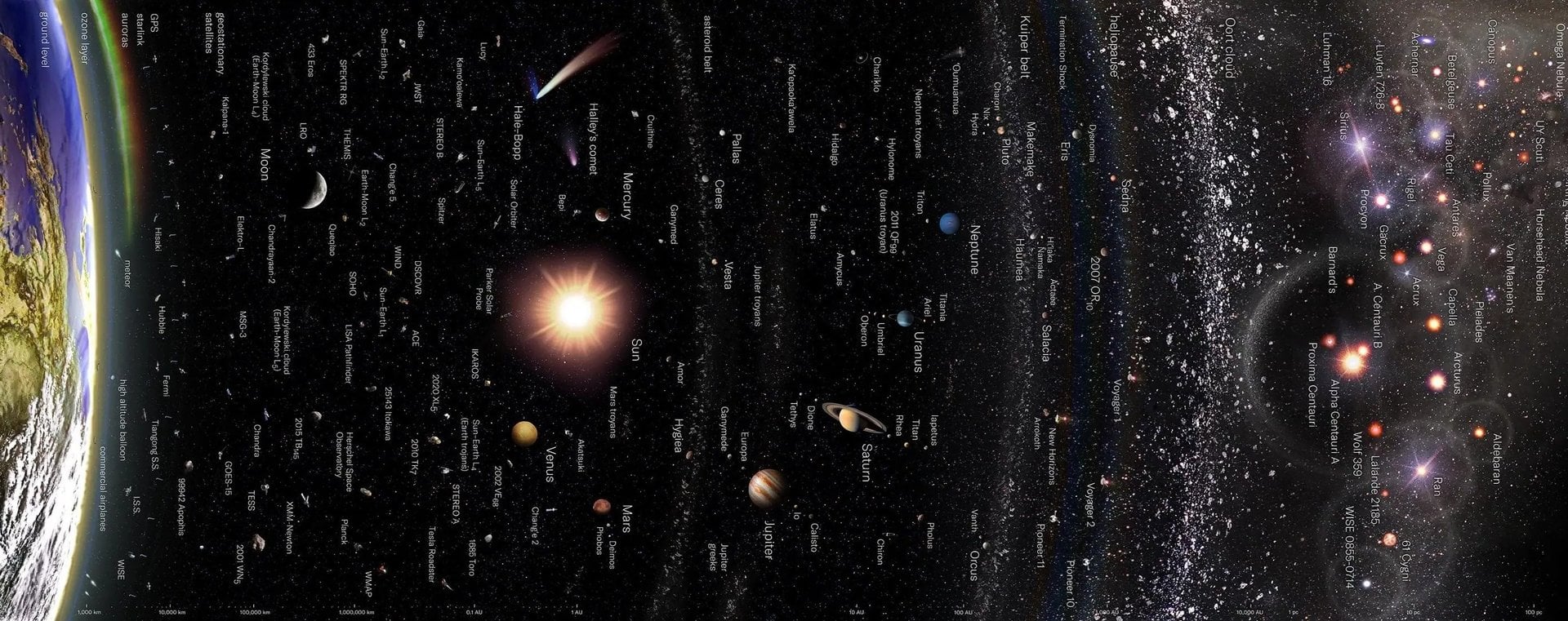
During the Space Age and the Cold War, scientists explored the concept of fusion-powered spacecraft as a potential method for enabling interstellar travel within a human lifespan. These ambitious ideas, aimed at reaching distant star systems, were driven by the desire to overcome the vast distances involved.
Many of the fusion drive concepts developed during that era remain relevant and are still being considered today. However, their practical realization is contingent upon future technological breakthroughs. The scientific community continues to investigate these possibilities, awaiting advancements that could make interstellar journeys feasible.
The pursuit of fusion drives for interstellar travel highlights a persistent human aspiration to explore beyond our solar system. While theoretical concepts from the mid-20th century are still under consideration, their feasibility hinges on overcoming significant engineering and physics challenges. The development of such technology would require substantial breakthroughs in energy generation and containment, potentially reshaping humanity's long-term trajectory and its place in the cosmos. Future advancements in materials science, plasma physics, and energy efficiency will be critical determinants of whether these ambitious propulsion systems transition from theoretical possibility to practical application within the next century.
AI-generated to prompt reflection — not editorial opinion, not advice, not a statement of fact. How this works.
