Futaba Publishing Recalls "Rupo: Roadside Meals" Book Due to Unconscious Bias
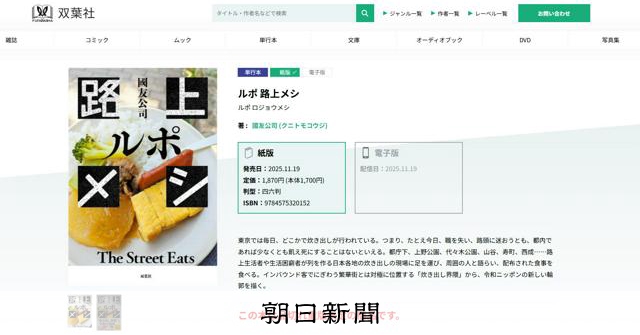
Futaba Publishing has announced the recall of its book, "Rupo: Roadside Meals" (ルポ 路上メシ). The company and the author have issued an apology, acknowledging the presence of "unconscious bias" within the work. The decision to recall the publication stems from concerns raised about the book's portrayal of its subject matter. The specific nature of the bias has not been detailed, but the apology suggests a self-awareness of potential insensitivity or misrepresentation. This action highlights the increasing scrutiny on published content regarding its social and ethical implications. Futaba Publishing has stated its commitment to addressing the identified issues. Further details regarding the recall process and the reasons behind the bias are expected to be released.
The book, "Rupo: Roadside Meals," reportedly explores the lives and eating habits of individuals living on the streets. The recall signifies a proactive step by the publisher to address criticism and uphold responsible publishing standards. The apology from both Futaba Publishing and the author indicates a willingness to engage with feedback and make amends. This incident serves as a reminder of the importance of careful consideration and diverse perspectives in journalistic and literary works.
The recall of "Rupo: Roadside Meals" by Futaba Publishing underscores the growing societal emphasis on mindful representation in media. Publishers and authors face increasing pressure to navigate complex social dynamics and avoid perpetuating stereotypes, even unintentionally. This event prompts reflection on the editorial processes that allow potentially biased content to reach publication. Moving forward, the publishing industry may need to implement more robust sensitivity reviews and diverse editorial oversight to preempt such issues, ensuring that narratives about vulnerable populations are handled with both accuracy and empathy. The challenge lies in balancing the pursuit of authentic storytelling with the imperative to avoid causing harm or reinforcing societal prejudices in an era of heightened social awareness.
AI-generated to prompt reflection — not editorial opinion, not advice, not a statement of fact. How this works.