Futsal Player Banned 5 Years for Kicking Opponent's Head in Brazil
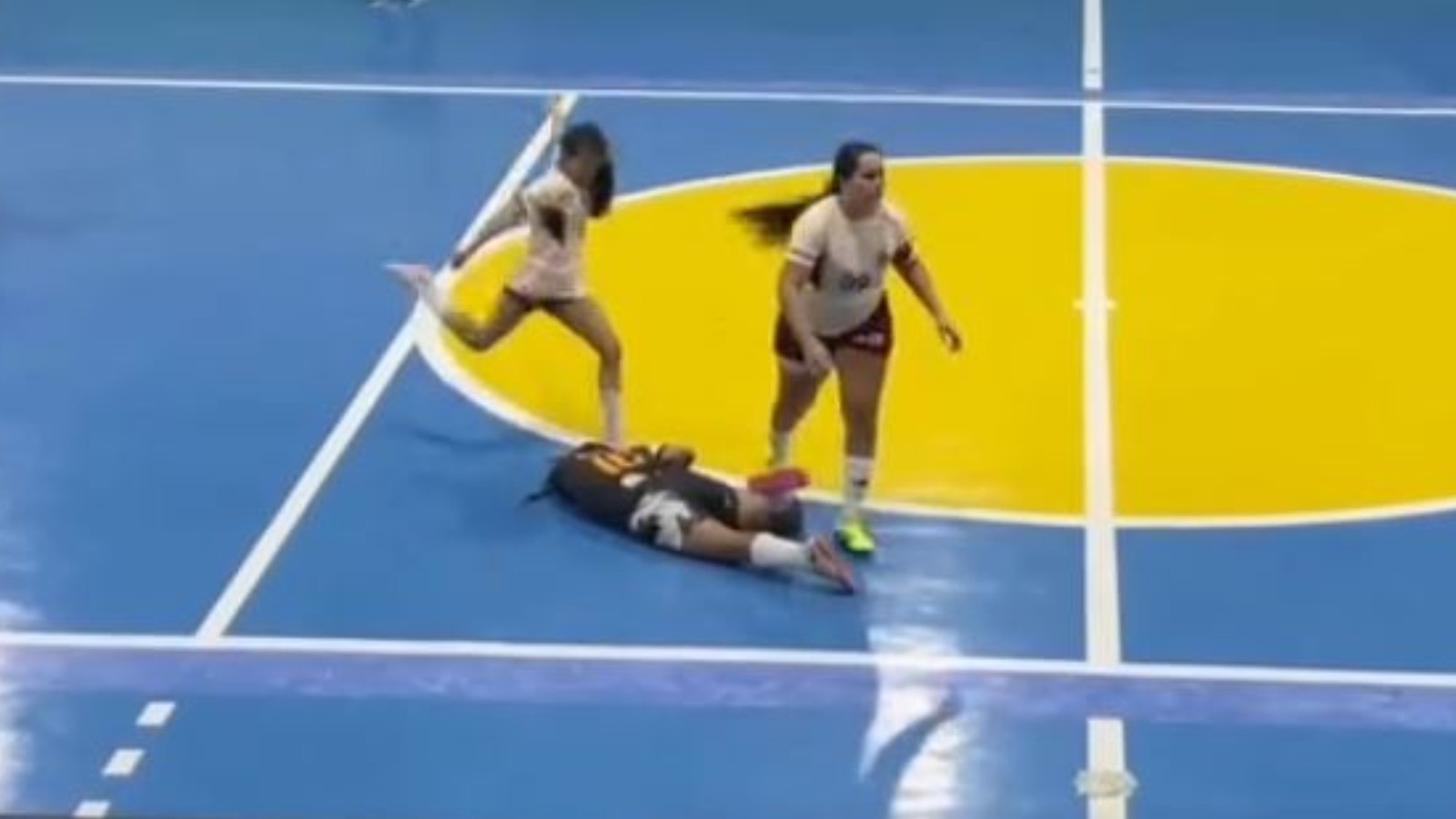
A futsal player in Eusébio, Ceará, Brazil, has received a five-year ban from the Liga Desportiva do Eusébio after violently assaulting an opponent during a municipal championship match. The incident occurred on Wednesday, May 22nd, at the Joaquim Gregório Gymnasium during the opening of the Women's Municipal Futsal Championship. The aggressor, playing for the team 'As Resenhas,' kicked the head of an opposing player, identified as Júlia from 'Projeto RDJ Esport Feminino,' twice after Júlia had fallen to the ground. Subsequently, the aggressor punched another 'Projeto RDJ' player, identified as 'BK,' who attempted to defend Júlia. The match was stopped, and officials intervened to de-escalate the situation. Júlia received medical attention and has since been released from the hospital and is recovering at home, while 'BK' also appears to be unharmed. The aggressor is under investigation by the Civil Police for bodily harm, with a police report filed and further inquiries underway. The Public Prosecutor's Office of Ceará is also monitoring the case, condemning the violence and emphasizing the need for accountability and the protection of athletes' physical integrity. In addition to the player's ban, the 'As Resenhas' team was eliminated from the competition, and other individuals involved in the altercation also faced sanctions.
This incident highlights the critical need for robust safety protocols and disciplinary measures in amateur sports to prevent violence. While the five-year ban and team elimination represent a strong punitive response, the underlying causes of such extreme aggression warrant deeper examination. Factors such as intense competition pressure, inadequate conflict resolution mechanisms during games, and potentially broader societal issues contributing to aggression may have played a role. Moving forward, sports leagues should consider implementing mandatory sportsmanship training, enhanced referee oversight for player conduct, and accessible mental health support for athletes to foster a culture of respect and safety, ensuring that athletic competition remains a positive and secure environment for all participants.
AI-generated to prompt reflection — not editorial opinion, not advice, not a statement of fact. How this works.