Géza Hofi: A Hungarian Comedy Icon Turning 90, Revered and Criticized
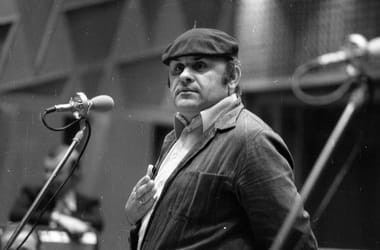
Géza Hofi, a significant figure in 20th-century Hungarian entertainment, would have turned 90 this year. He remains a polarizing personality, adored by many while also facing criticism for his perceived close ties to the Kádár regime. Both perspectives hold some validity, as Hofi's transformation from a factory worker named Hoffmann Géza into a legendary comedian, "the Hofi," was fueled by his immense talent and the substantial backing of the Aczél cultural policy apparatus. His career highlights the complex interplay between artistic genius and political patronage in Hungary during that era. Hofi's enduring legacy is marked by this duality, reflecting the societal divisions and artistic compromises of his time. His ability to connect with vast audiences cemented his status, yet the context of his rise continues to spark debate.
Géza Hofi's enduring fame and the controversy surrounding his relationship with the Kádár regime illustrate the complex dynamics of artistic success within state-controlled cultural landscapes. The necessity of political endorsement for widespread recognition in 20th-century Hungary highlights systemic incentives that could shape cultural output. While Hofi's talent is undeniable, his career trajectory prompts reflection on how artistic merit and political expediency often intertwined. Examining this historical context offers insights into the pressures faced by artists operating under such systems and the long-term implications for public perception and historical evaluation, particularly as societies transition and re-evaluate their past.
AI-generated to prompt reflection — not editorial opinion, not advice, not a statement of fact. How this works.