g1 Tests: Which Smartphone Offers the Longest Battery Life?
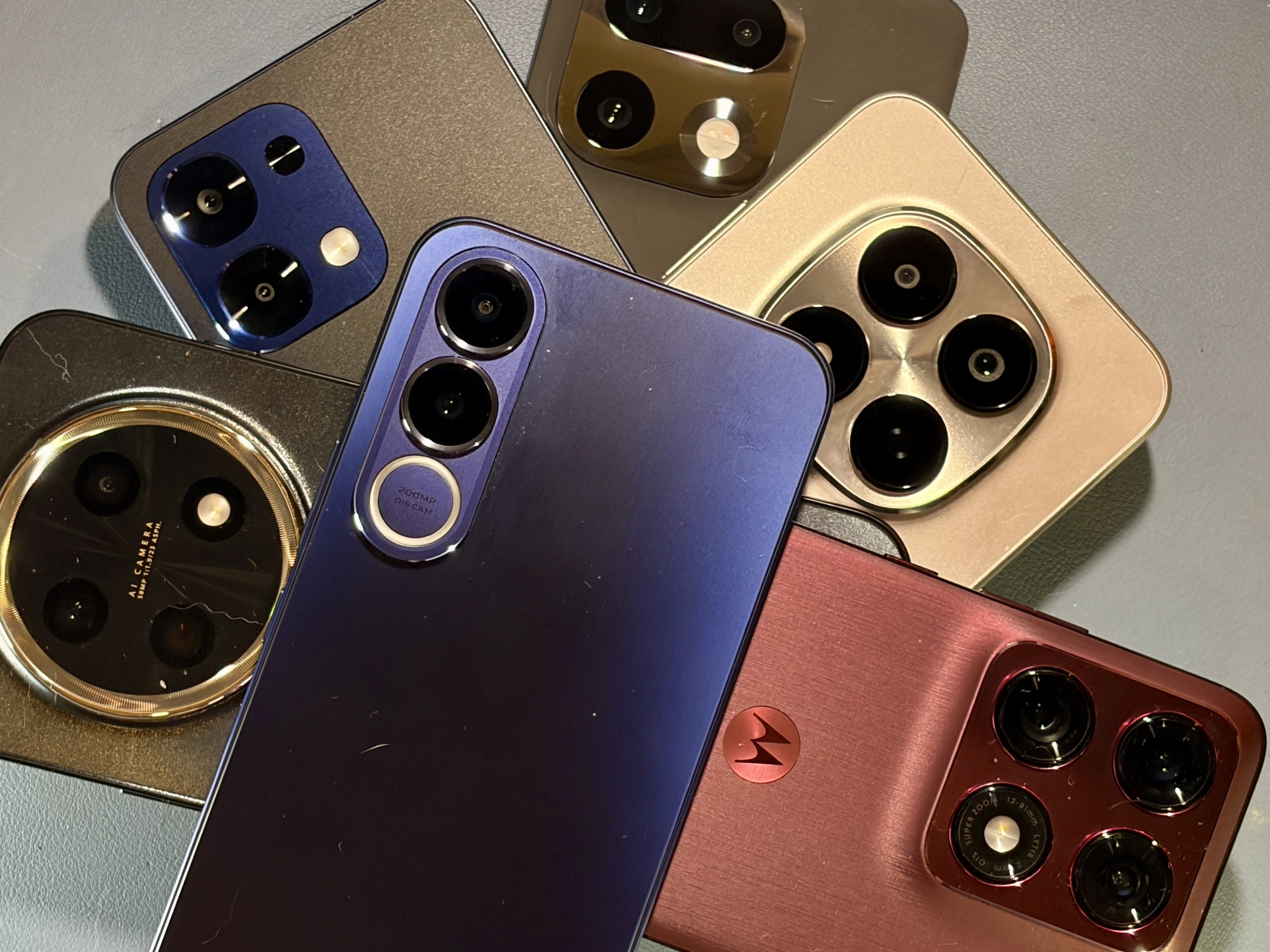
Consumer reports indicate that battery life is a primary factor in smartphone purchasing decisions, with users expecting devices to last a full day without needing power conservation. To address this, g1's Buying Guide conducted tests on six smartphone models featuring batteries with a capacity of 6,500 mAh or higher and utilizing silicon-carbon technology. This advanced technology allows for greater energy storage in a more compact form factor compared to traditional lithium-ion batteries. For context, the iPhone 17 has a 3,692 mAh battery, and the Samsung Galaxy S26 Ultra has a 5,000 mAh battery.
The tested models included the Huawei Nova 15 Max (8,500 mAh, R$ 3,000), Jovi V70 (7,000 mAh, R$ 3,000), Moto Edge 70 Pro (6,500 mAh, R$ 4,000), Oppo A6 Pro (7,000 mAh, R$ 2,800), Realme 16 Pro+ (7,000 mAh, R$ 4,500), and Redmi Note 15 Pro (6,580 mAh, R$ 4,500). All devices also support fast charging. The Jovi V70 emerged as the longest-lasting device in the tests, despite not having the largest battery capacity.
The testing methodology involved simulating everyday smartphone tasks using the PC Mark application from UL Laboratories, with tests repeated under varying brightness conditions (70%, 50%, and automatic) and ambient light. Battery charge was maintained at 100% throughout the tests, which concluded when the battery reached 20% or less. The results provide an estimate of battery duration, acknowledging that real-world usage may differ due to varying usage patterns and manufacturer software optimizations. Apple and Samsung did not have suitable models available for this specific test at the time of evaluation.
This comparative battery test highlights the complex interplay between hardware specifications, such as battery capacity (mAh) and material technology (silicon-carbon vs. lithium-ion), and software optimization in determining real-world device performance. While higher mAh ratings and newer battery technologies are generally expected to yield longer usage times, the results demonstrate that manufacturer-specific operating system tuning can significantly influence battery longevity. This suggests that consumers should look beyond raw specifications and consider independent testing that reflects typical usage scenarios. Furthermore, the exclusion of major players like Apple and Samsung from this particular test due to model availability underscores the dynamic nature of the smartphone market and the rapid pace of technological advancement, where product cycles and feature sets constantly evolve.
AI-generated to prompt reflection — not editorial opinion, not advice, not a statement of fact. How this works.