Gabon President Demands Payment from Polluting Nations for Forest Preservation
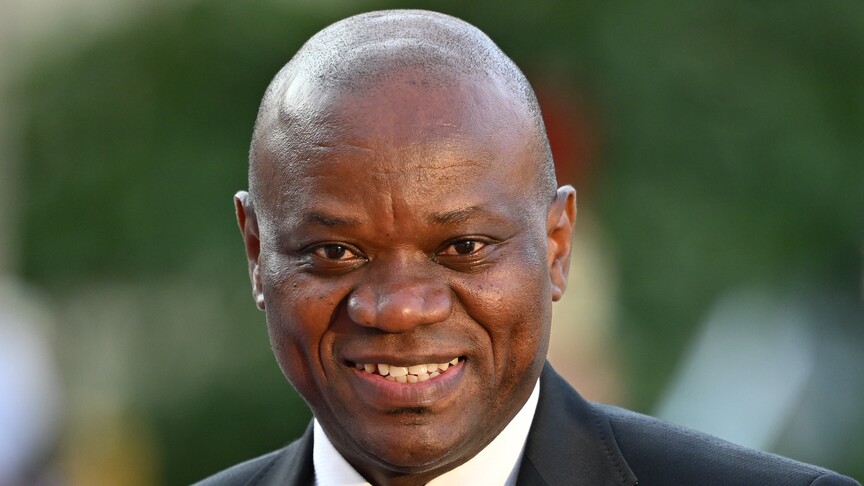
Gabon's transitional President, Brice Oligui Nguema, has asserted that industrialized nations must compensate African countries for preserving their forests. He stated in an interview with Le Figaro that these polluting countries should pay for this crucial environmental service. Nguema's demand highlights the significant financial burden and responsibility that African nations bear in protecting vital global ecosystems, particularly their forests, which play a critical role in carbon sequestration and climate regulation. The statement underscores a growing sentiment among developing nations that historical and ongoing industrial pollution by developed countries warrants direct financial contributions to support conservation efforts in regions that are disproportionately affected by climate change despite contributing less to its causes. This call for financial recompense aims to bridge the gap between environmental preservation needs and the economic capacities of nations tasked with safeguarding these invaluable natural resources.
President Nguema's assertion frames forest preservation as a service for which industrialized nations, identified as primary polluters, should provide direct financial compensation. This perspective highlights a potential systemic contradiction: the economic models driving industrialization in developed countries have historically generated significant environmental externalities, including greenhouse gas emissions. The call for payment suggests a rebalancing of responsibilities, positioning forest-rich nations as stewards whose conservation efforts benefit the global community, and thus deserve financial support. This approach could foster a more equitable global environmental governance framework, incentivizing sustainable land management and potentially mitigating climate change impacts. However, the practical implementation of such payment mechanisms would require complex international agreements on valuation, accountability, and fund distribution, navigating the intricate dynamics of climate finance and historical emissions.
AI-generated to prompt reflection — not editorial opinion, not advice, not a statement of fact. How this works.