Gabon's Five-Month Digital Silence: When the Cure Becomes the Poison
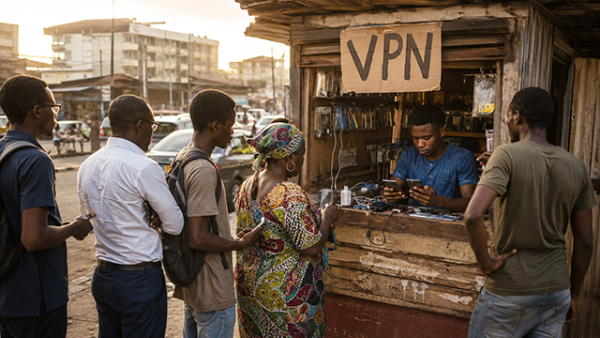
Gabon has been experiencing a digital blackout for five months, with the suspension of social media networks intended to clean up the online space. However, this measure has led to unintended consequences, including an epidemic of cyber-piracy. The situation has also fueled a booming VPN economy, as citizens seek ways to bypass restrictions. Furthermore, the digital silence has sparked a wave of legal challenges against the government's actions. This prolonged internet disruption has transformed a supposed remedy into a detrimental situation for the country's digital landscape and its users.
The Gabonese government's prolonged suspension of social media networks, initiated with the stated aim of sanitizing the digital space, has inadvertently fostered a climate of cyber-piracy and spurred the growth of the VPN market. This outcome highlights a critical governance challenge: the potential for restrictive digital policies to create new vulnerabilities and economic distortions. The ensuing legal challenges underscore the tension between state control and citizens' rights to information access. Looking ahead, such measures raise questions about the long-term efficacy of blanket internet shutdowns as a policy tool, particularly in an era increasingly reliant on digital connectivity for economic and social participation. The situation prompts consideration of more nuanced approaches to content moderation and digital governance that balance security concerns with fundamental freedoms and economic stability.
AI-generated to prompt reflection — not editorial opinion, not advice, not a statement of fact. How this works.