Gabon's Local Resource Processing: Key to Economic Sovereignty for the New Republic
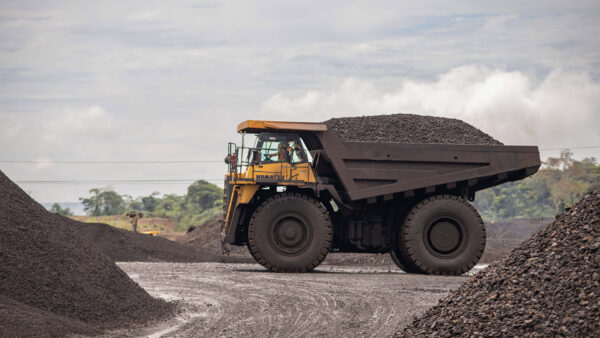
As the Gabonese Republic aims for greater economic sovereignty and reduced reliance on raw material exports, the local processing of natural resources emerges as a critical strategic tool. This approach is highlighted in a new tribune by geoplitologist Jonathan Ndoutoume and his associate. The article emphasizes that transforming raw materials within Gabon is essential for building a more independent economy. This strategy is particularly relevant as the nation seeks to move beyond its current economic model, which is heavily dependent on the export of unprocessed goods. By developing domestic processing capabilities, Gabon can capture more value from its natural wealth. This shift is seen as a fundamental step towards achieving true economic independence and strengthening the nation's position in the global market. The initiative aligns with broader governmental ambitions to foster a self-sufficient and resilient economy for the future.
The push for local processing of natural resources in Gabon reflects a global trend among resource-rich nations seeking to enhance economic sovereignty and capture greater value. This strategy aims to shift from primary commodity exports to higher-value manufactured goods, potentially creating domestic jobs and fostering industrial development. However, the success of such initiatives often hinges on overcoming significant challenges, including attracting substantial investment, developing necessary infrastructure, and building skilled labor forces. Furthermore, navigating complex international trade dynamics and ensuring fair competition will be crucial. The long-term viability depends on a sustained commitment to industrial policy, effective governance, and adaptation to evolving global markets, particularly in the context of increasing automation and the green transition.
AI-generated to prompt reflection — not editorial opinion, not advice, not a statement of fact. How this works.