Gabon's Universal Health Coverage Model Praised Abroad, Criticized Domestically
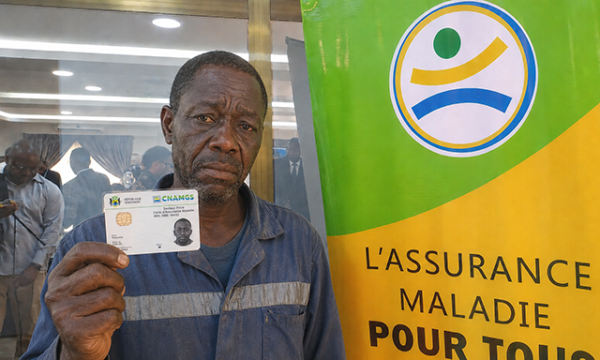
A study by FINACTU highlights Gabon's National Health Insurance and Social Guarantee Fund (CNAMGS) as a successful model for universal health coverage in Africa. The report suggests that achieving such a system is not an unattainable European dream for the continent. However, the article points out a potential conflict of interest, as FINACTU was involved in building the very system it is now praising. This praise comes despite domestic challenges and criticisms regarding the CNAMGS's practical implementation and funding at the pharmacy level. The study positions Gabon as evidence that universal healthcare is feasible. The CNAMGS faces ongoing debate regarding its effectiveness and accessibility within the country.
The CNAMGS's paradoxical reception suggests a divergence between its theoretical design and its on-the-ground operational realities. While external evaluations, potentially influenced by the consultants who helped establish the system, may laud its structural achievements, local stakeholders like pharmacists appear to be experiencing friction points. This dynamic highlights the critical importance of aligning the incentives of system designers and implementers with the practical needs and financial flows experienced by service providers. Future iterations of such universal healthcare initiatives would benefit from robust, independent feedback mechanisms that capture the lived experience of all parties, ensuring that the system's sustainability and accessibility are not compromised by its initial architectural vision or the commercial interests of its advisors.
AI-generated to prompt reflection — not editorial opinion, not advice, not a statement of fact. How this works.