Gabriel Attal Defends "Salary Shock" Plan in Brittany Ahead of 2027 Presidential Election
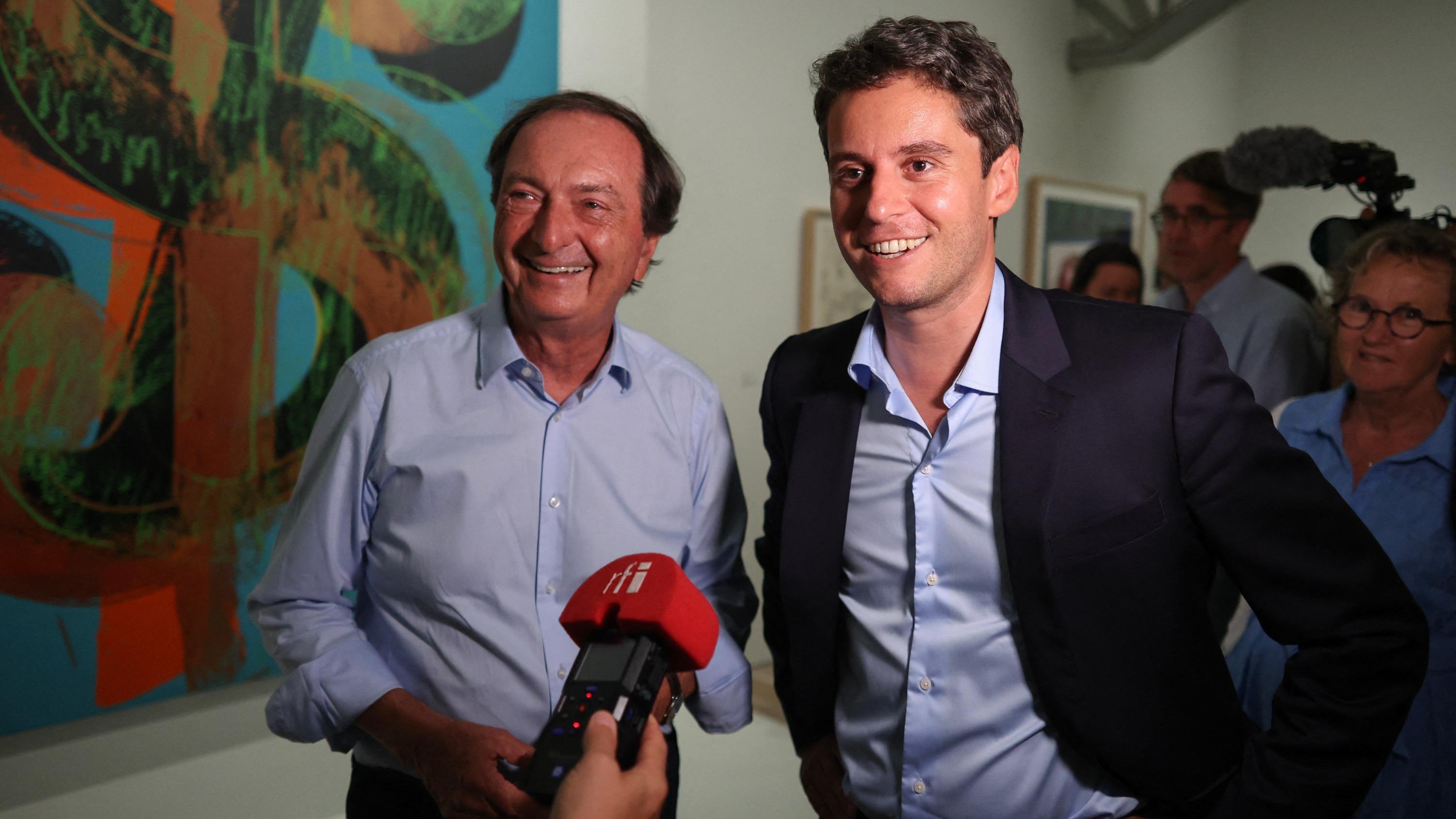
French Prime Minister Gabriel Attal, campaigning for the Renaissance party, visited Finistère in Brittany on Thursday to promote his "salary shock" initiative. This visit marks the beginning of his summer engagement with "the France that works." Attal met with Michel-Édouard Leclerc, a prominent figure in French retail, to discuss his economic proposals. The "salary shock" plan aims to address wage stagnation and boost purchasing power for workers. Attal's trip is seen as a strategic move to connect with the working class and build support for his potential candidacy in the 2027 presidential election. The event in Finistère is part of a broader effort by Renaissance to highlight the government's focus on economic issues and the well-being of French employees. The discussions with Leclerc likely focused on the practical implementation and potential impact of the proposed salary increases on businesses and consumers. This initiative positions Attal as a champion for workers' rights and economic fairness.
Prime Minister Gabriel Attal's "salary shock" initiative, presented during a visit to Finistère, reflects a strategic effort to bolster his political standing and appeal to working-class voters ahead of the 2027 presidential election. The engagement with Michel-Édouard Leclerc, a key figure in the retail sector, suggests an attempt to demonstrate broad-based support and understand the practical economic implications of such policies. From a systemic perspective, addressing wage stagnation is a critical challenge in many developed economies, influenced by factors such as globalization, automation, and labor market dynamics. Attal's proposal, while potentially popular, will necessitate careful consideration of its impact on inflation, business competitiveness, and public finances. The long-term success of such an initiative will depend on its ability to foster sustainable wage growth without creating adverse economic consequences, aligning with the evolving demands of a workforce increasingly shaped by technological advancements and changing societal expectations.
AI-generated to prompt reflection — not editorial opinion, not advice, not a statement of fact. How this works.