Gaby Amarantos Releases "Rock Light" Acoustic Project, Announces Ver-o-Peso Tribute Festival
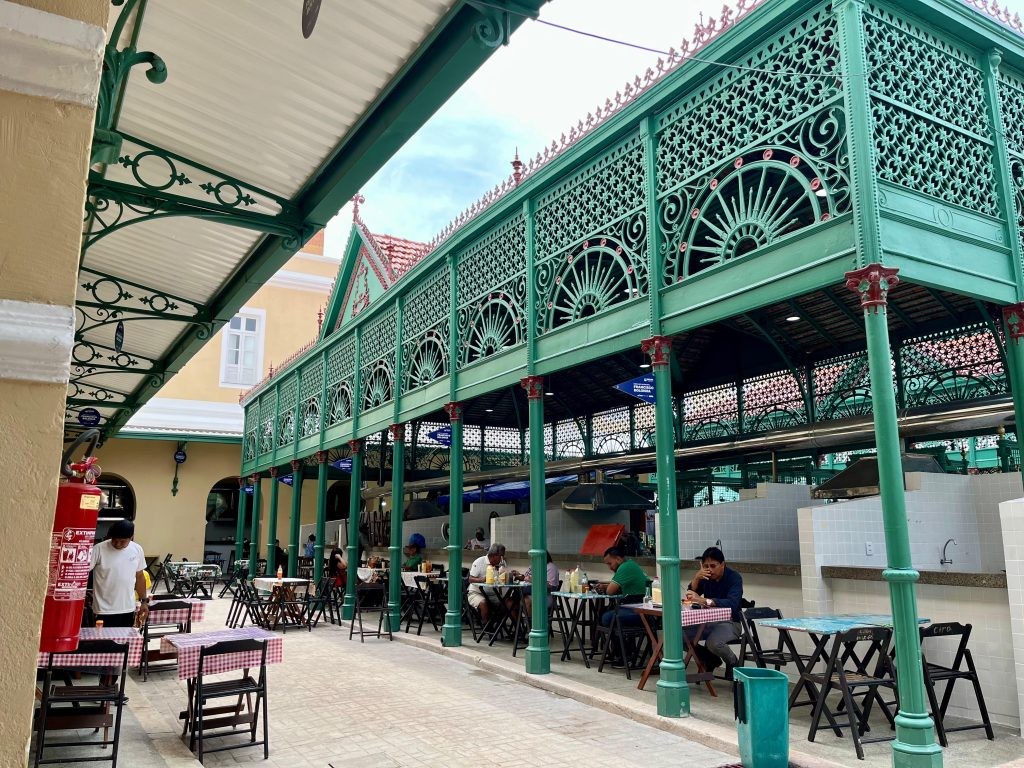
Brazilian singer Gaby Amarantos has launched "Rock Light," an audiovisual project featuring acoustic reinterpretations of songs from her album "Rock Doido." In a recent interview, Amarantos described the project as a more relaxed and gentle rendition of her previous work, recorded at the Forte do Presépio with the iconic Ver-o-Peso market as a backdrop. This scenic choice was a deliberate nod to her upcoming event, "Xarque da Gaby," which this year will pay homage to Ver-o-Peso, a location Amarantos considers the ultimate symbol of Pará state. The "Rock Light" repertoire includes acoustic versions of tracks like “Carregador de Aparelhagem,” “BBBBBBB,” and “Não Vou Te Deixar,” accompanied by musicians Félix Robatto, Gleydson Freitas, and Bruno Benitez. The "Xarque da Gaby" festival, scheduled for August 5th, will be held at the Mercado de Carne Francisco Bolonha, which is part of the Ver-o-Peso complex. This third edition of the event, conceptualized by Amarantos, aims to celebrate the 400th anniversary of Ver-o-Peso next year and will feature music, fashion, gastronomy, art, and creative economy initiatives, highlighting Amazonian culture. Originally conceived as a birthday celebration for the artist, "Xarque da Gaby" has evolved into a platform for cultural appreciation. Amarantos also mentioned the existence of a full "Rock Doido" film, which blends music and cinema to capture the cultural intensity and tecnobrega energy of Pará.
Gaby Amarantos' "Rock Light" project and "Xarque da Gaby" festival underscore a growing trend of artists leveraging cultural heritage and iconic landmarks for creative expression and community engagement. By reinterpreting her "Rock Doido" album acoustically and dedicating her festival to the Ver-o-Peso market, Amarantos taps into local identity, potentially fostering deeper connections with her audience and promoting regional tourism. This approach aligns with broader cultural movements that seek to preserve and celebrate traditional spaces amidst rapid modernization. The strategy of integrating artistic endeavors with historical sites offers a model for sustainable cultural development, though it also raises questions about balancing commercial interests with the preservation of public heritage. The success of such initiatives often depends on effective collaboration between artists, local authorities, and community stakeholders to ensure authenticity and long-term benefit.
AI-generated to prompt reflection — not editorial opinion, not advice, not a statement of fact. How this works.