Gagan Thapa Accuses State of Authoritarianism, Silencing Citizens
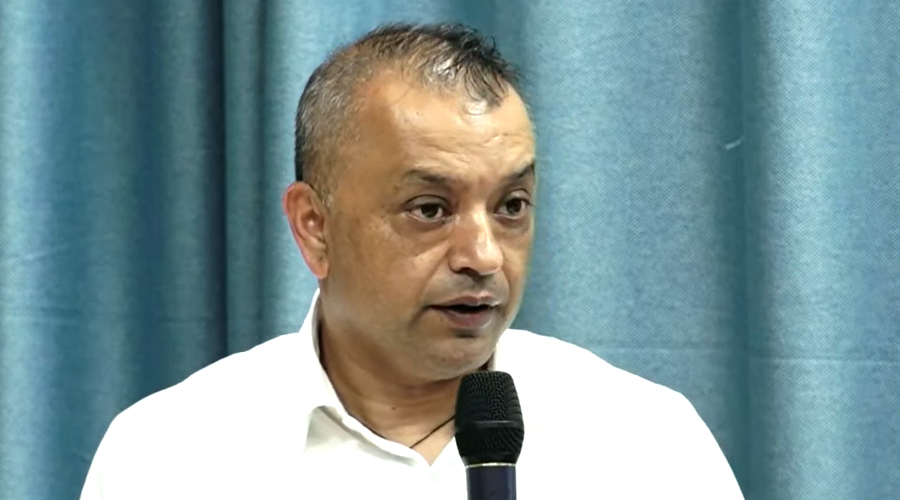
Nepali Congress leader Gagan Kumar Thapa has stated that the state is attempting to operate an authoritarian regime by silencing its citizens. He made these remarks while addressing a meeting organized by the Central Policy, Research, and Training Academy in preparation for the 44th BP Smriti Diwas (BP Memorial Day). Thapa criticized the current government, drawing a parallel to the past when BP Koirala asserted citizens' right to question the Rana Prime Ministers. He implied that this fundamental right to question authority is now being suppressed. The event was held in Kathmandu on June 29th. The specific measures or actions by the state that Thapa believes constitute silencing citizens were not detailed in the provided text. However, his statement suggests a grave concern over the erosion of democratic freedoms and the right to public discourse.
The assertion of authoritarian tendencies by silencing citizens raises questions about the balance of power between the state and its populace. In an era increasingly defined by digital communication and access to information, attempts to control public discourse can paradoxically amplify dissent. Such actions may indicate a governance approach that prioritizes control over consensus-building, potentially leading to increased societal friction. Future governance models will likely need to navigate the tension between maintaining order and upholding fundamental freedoms, recognizing that transparency and open dialogue are crucial for long-term stability and citizen engagement.
AI-generated to prompt reflection — not editorial opinion, not advice, not a statement of fact. How this works.