Gagan Thapa: Ganesh Nepali's Death is Not Just Political Blame
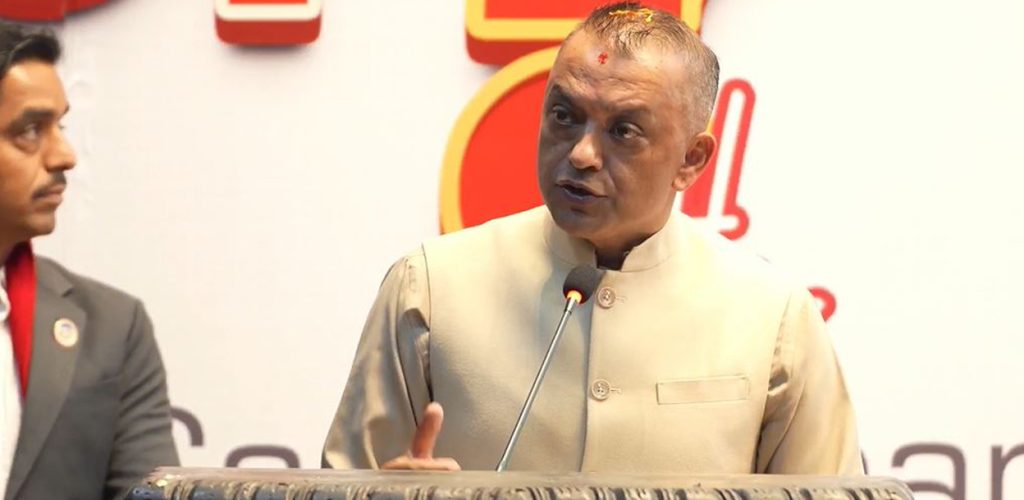
Gagan Kumar Thapa, a leader of the Nepali Congress party, stated that the death of Ganesh Nepali from Mugu, who passed away after attempting self-immolation, should not be solely a matter of political debate or blame. Through a Facebook post on June 26th in Kathmandu, Thapa emphasized that the incident is connected to the life of a citizen, the unbearable pain of a family, and the collective human empathy of society. He stressed that this event transcends a simple political issue, highlighting its profound implications for society and the state. The leader urged a broader perspective beyond partisan accusations. The original report indicates the incident involves a citizen's life and a family's suffering, touching upon broader societal and state responsibilities. Thapa's statement suggests a need for a more compassionate and less politicized response to such tragedies. The focus should be on addressing the underlying issues that lead to such desperate acts.
The passing of Ganesh Nepali following an act of self-immolation, as framed by Gagan Thapa, presents a critical juncture for societal and governmental response. Thapa's assertion that the event transcends political blame invites a deeper examination of the systemic factors contributing to individual despair. This perspective encourages a shift from partisan recrimination towards a collective responsibility for citizen welfare. In the context of the evolving AI era, understanding and mitigating the societal pressures that drive such extreme actions becomes paramount. Future governance models must proactively address the root causes of distress, fostering a more resilient and supportive social fabric, rather than reacting to tragedies after they occur.
AI-generated to prompt reflection — not editorial opinion, not advice, not a statement of fact. How this works.