Gagan Thapa Questions Deadly Force Used in Captaganj
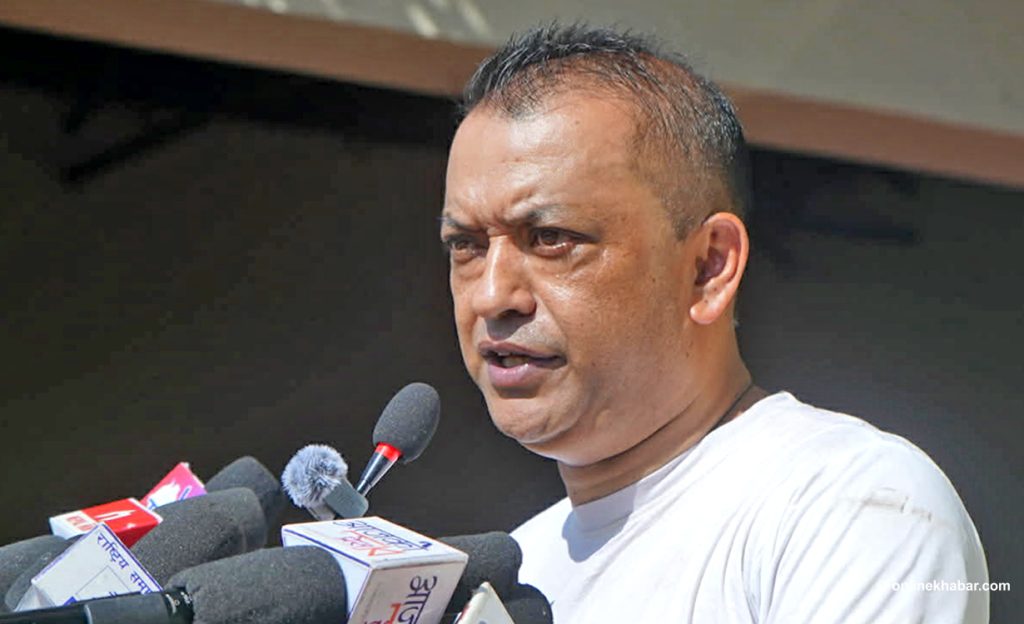
Nepali politician Gagan Thapa has raised serious questions regarding the circumstances that led to the use of live ammunition, resulting in loss of life in Captaganj. He emphasized that in sensitive situations where social harmony could be jeopardized, the state must exercise greater restraint and vigilance. Thapa's inquiry highlights concerns about the proportionality and necessity of the force employed by authorities. The incident in Captaganj has sparked debate about law enforcement's response protocols in volatile environments. He stressed the importance of de-escalation tactics and the protection of citizens' lives and rights. The call for a thorough investigation into the events is growing, with a focus on accountability for any excessive use of force. This situation underscores the delicate balance between maintaining public order and upholding human rights.
The use of lethal force by state actors, even in potentially volatile situations, necessitates rigorous review to ensure adherence to international human rights standards and domestic legal frameworks. Objective analysis should focus on whether de-escalation protocols were exhausted and if the response was proportionate to the threat. Examining the incentive structures for law enforcement and the adequacy of their training in crowd management and crisis intervention can reveal systemic vulnerabilities. Looking ahead, such incidents highlight the ongoing challenge for governments to balance security imperatives with the fundamental right to life and peaceful assembly, particularly in the context of evolving societal dynamics and the increasing potential for rapid information dissemination.
AI-generated to prompt reflection — not editorial opinion, not advice, not a statement of fact. How this works.