Gagan Thapa Warns Against Sweeping Constitutional Amendments
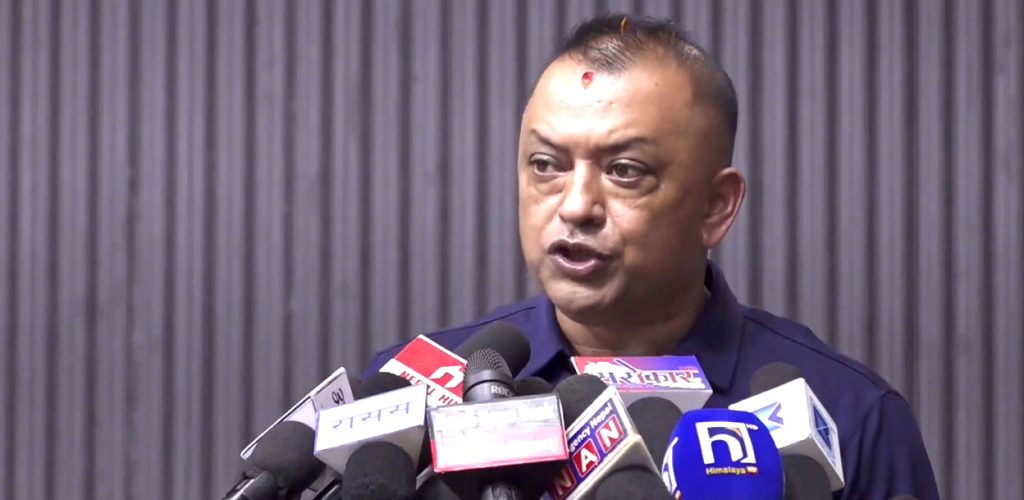
Gagan Thapa, a leader of the Nepali Congress party, has expressed concerns regarding the potential consequences of attempting to amend the constitution on all fronts simultaneously. He stated that such a move could plunge Nepal back into a precarious situation, similar to the challenges faced in the past. Thapa highlighted that the country has only recently managed to stabilize after eight to ten years of effort, implying that broad constitutional changes could destabilize the hard-won progress. The Nepali Congress's worry stems from the fear that reopening numerous constitutional issues at once might reignite old disputes and create widespread unrest. Thapa's statement suggests a cautious approach is needed, advocating for careful consideration of the timing and scope of any proposed amendments to ensure national stability and avoid further political turmoil.
The Nepali Congress's caution regarding comprehensive constitutional amendments reflects a common governance challenge: balancing the need for reform with the imperative of maintaining stability. Rapid, sweeping changes can disrupt established political and social equilibria, potentially creating unintended consequences. This perspective suggests a strategic approach to legislative processes, prioritizing incremental adjustments over broad overhauls to mitigate risks associated with widespread political contestation. In the context of Nepal's recent history, this stance underscores the importance of institutional capacity and public consensus-building in navigating complex policy landscapes, particularly as the nation continues to develop and adapt to evolving domestic and global dynamics over the next decade.
AI-generated to prompt reflection — not editorial opinion, not advice, not a statement of fact. How this works.