Gagan Thapa Welcomes Tax Cut on Private Education, Health; Urges Review of Electricity Tax
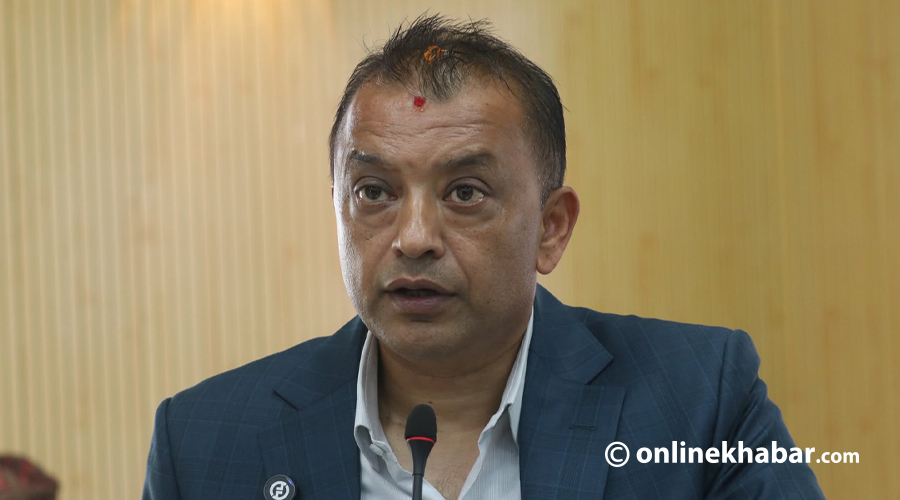
Nepali Congress leader Gagan Kumar Thapa has welcomed the government's decision to not implement the 3% equalization tax on private education and health sectors. Thapa expressed his satisfaction via social media, recalling that his party had raised concerns about this tax from the outset. He also urged the government to reconsider other impractical taxes and policies, specifically mentioning the Value Added Tax (VAT) imposed on electricity. Thapa believes that such taxes and policies should be reviewed and corrected to ensure they are practical and beneficial. The statement highlights the ongoing dialogue and pressure from political parties regarding fiscal policies and taxation. The Nepali Congress has been actively involved in scrutinizing government decisions that impact citizens and businesses. This move by Thapa indicates a broader political consensus on the need for fiscal prudence and fair taxation.
The government's decision to withdraw the equalization tax on private education and health reflects a response to public and political pressure, indicating a sensitivity to potential economic burdens on these sectors. However, the call to review electricity taxes suggests a broader challenge in balancing revenue generation with economic practicality. This situation highlights the ongoing tension between fiscal policy objectives and the need to foster sustainable economic growth. Future policy decisions will likely navigate these competing interests, with a focus on ensuring that taxation does not unduly stifle essential services or economic activity, particularly in light of evolving energy demands and the transition towards cleaner technologies.
AI-generated to prompt reflection — not editorial opinion, not advice, not a statement of fact. How this works.