Galápagos Giant Daisies Show Repeated Evolution, Genetic Divergence
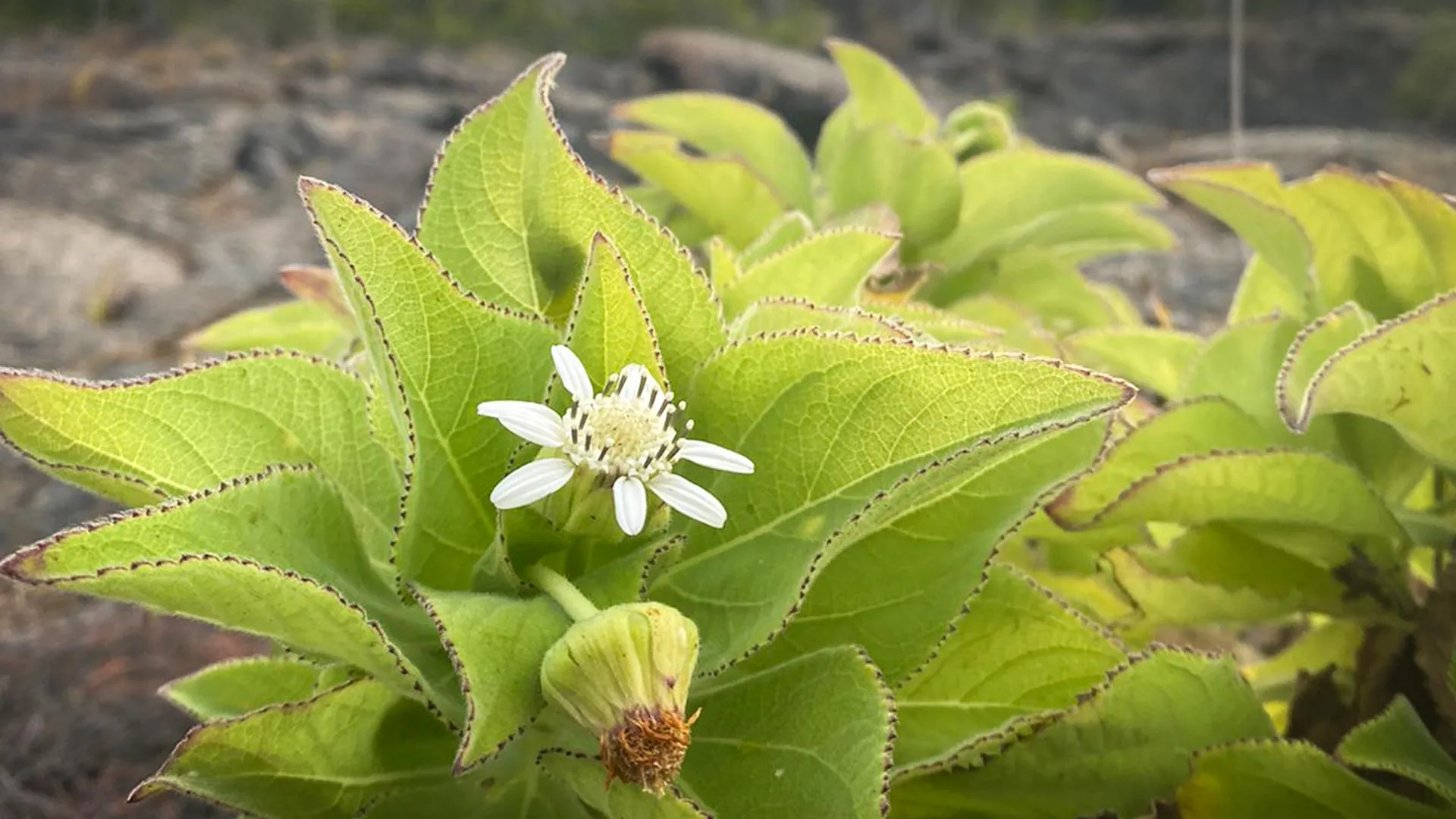
Over 150 years after Darwin's studies on finches, giant daisies in the Galápagos Islands are revealing new evolutionary insights. Scientists have observed that these daisies have repeatedly evolved similar leaf shapes adapted to heat, a phenomenon known as convergent evolution. Strikingly, each distinct lineage achieved this similar trait through different genetic pathways. Researchers also identified significant genetic variations between isolated populations of the daisies. These genetic differences suggest that the process of speciation, the formation of new species, may be actively occurring in these populations at the present time.
The discovery of convergent evolution in Galápagos daisies, where similar traits arise independently through different genetic mechanisms, highlights the power of environmental pressures in shaping life. This finding underscores the dynamic nature of evolution and the potential for rapid speciation, even in relatively short timeframes. The observed genetic divergence among isolated populations suggests that ongoing environmental changes or geographical isolation could accelerate the formation of new species. Understanding these genetic mechanisms is crucial for conservation efforts, particularly in fragile ecosystems like the Galápagos, as it informs strategies for preserving biodiversity in the face of environmental shifts and potential human impact.
AI-generated to prompt reflection — not editorial opinion, not advice, not a statement of fact. How this works.