Galactic Spiral Arms and Bars Fueled Early Star Formation, New Research Suggests
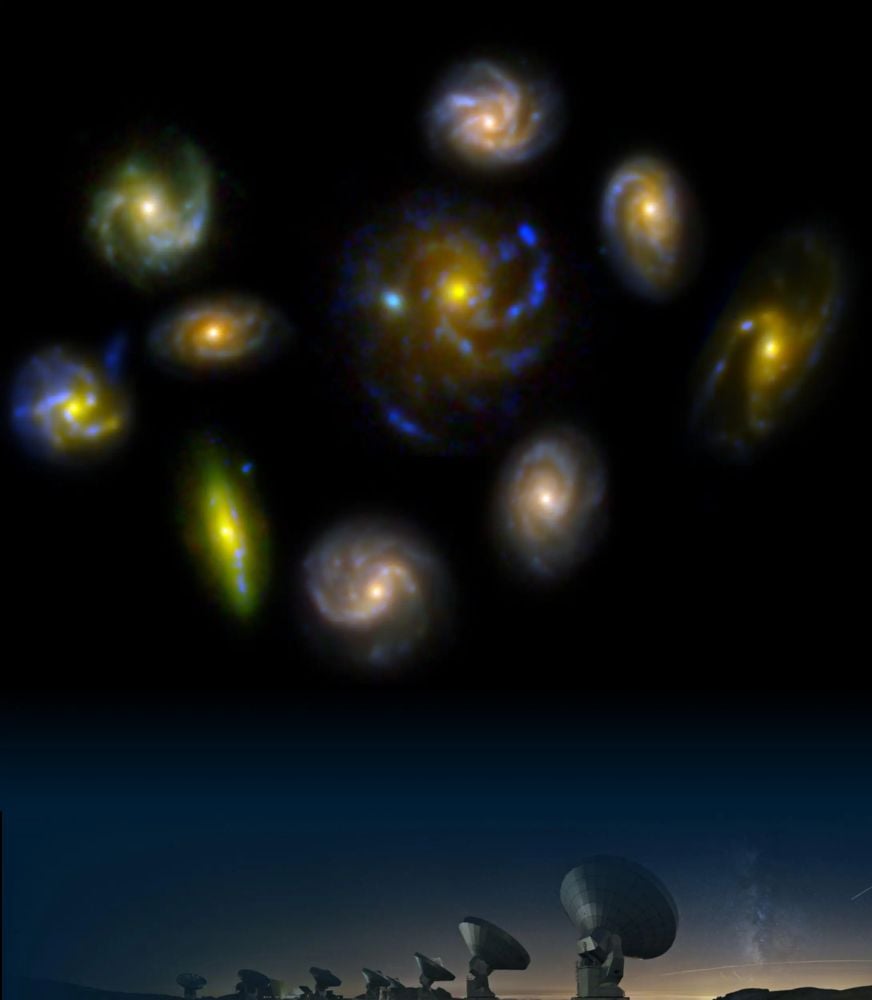
Contrary to previous assumptions that early galaxies were chaotic and turbulent due to mergers, new research indicates they possessed well-ordered structures much earlier than anticipated. Astronomers previously believed that galactic mergers would stir up gas, making sustained star formation during the Cosmic Noon period difficult to explain. However, this latest study reveals that the presence of spiral arms and bars in these early galaxies facilitated a smoother flow of gas. This organized movement of gas is now understood to be the key mechanism driving the rapid star formation observed during that epoch.
This research challenges the prevailing model of early galactic evolution by positing that ordered structures, rather than chaotic mergers, were primary drivers of star formation. The findings suggest that the efficiency of gas accretion and conversion into stars was significantly higher in galaxies with developed spiral arms and bars. This perspective shifts the focus from disruptive merger events to internal galactic dynamics as a crucial factor in fueling the intense star formation rates observed during the Cosmic Noon. Understanding these mechanisms could refine our models of galaxy assembly and the distribution of stellar populations across cosmic time, potentially impacting theories on galactic evolution over the next decade.
AI-generated to prompt reflection — not editorial opinion, not advice, not a statement of fact. How this works.