Gale Leaves Over 800 Homes Without Power in Bagé, Severe Weather Expected
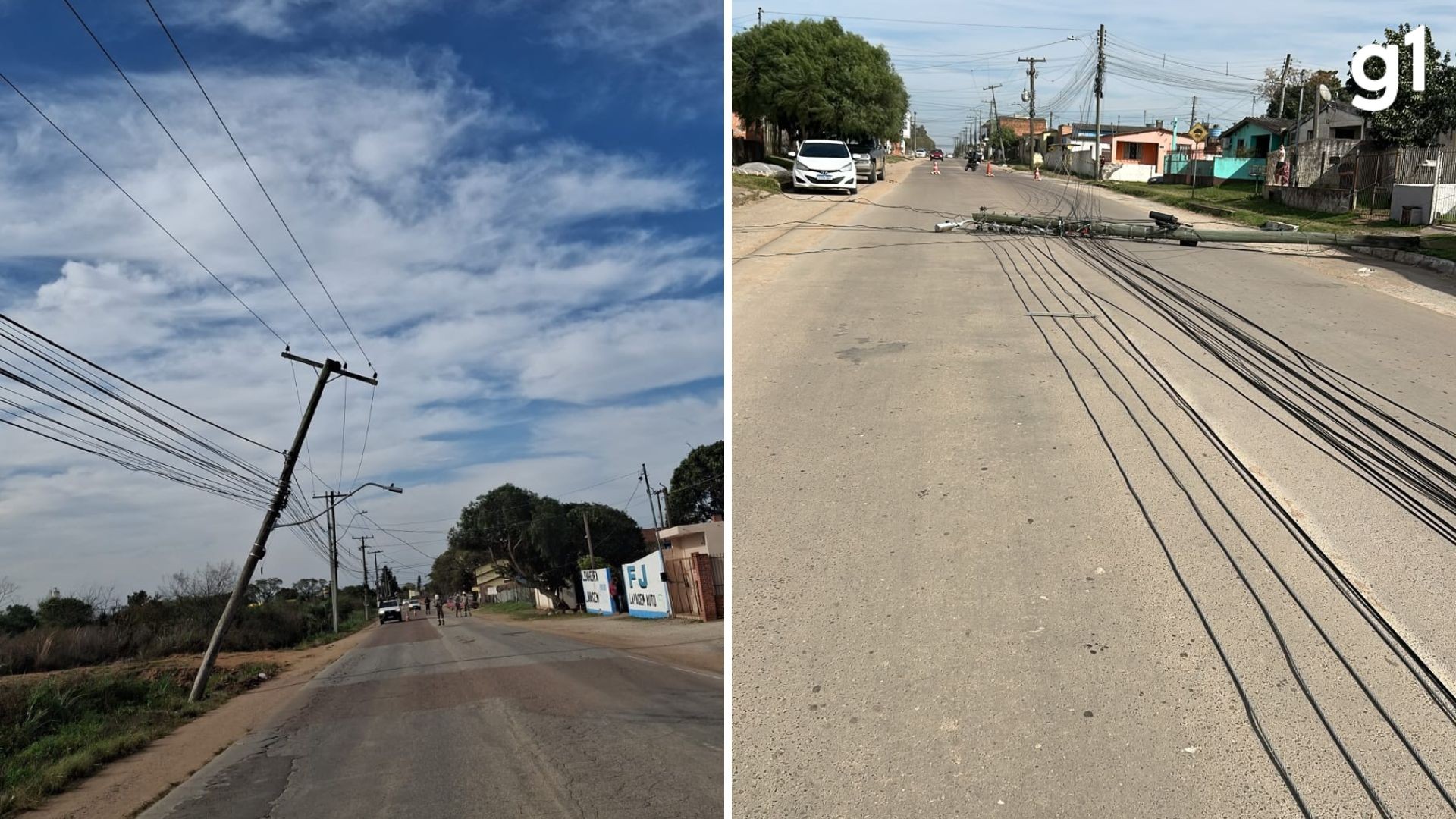
Strong winds in Bagé, located in the Southern Region of Rio Grande do Sul (RS), Brazil, caused power outages for 815 consumer units on Friday, November 17th. Wind gusts reached 77.4 km/h, according to Climatempo data. The municipal government reported approximately 20 storm-related incidents, including about 12 involving fallen utility poles and road closures, and eight involving fallen trees. CEEE Equatorial, the power company, recorded 96 incidents on the electrical grid in Bagé, resulting in the widespread outages. In Pinheiro Machado, also in the Southern Region, 22 incidents led to 30 locations losing power, with numbers subject to update as restoration efforts continue. A contingency plan has been activated, mobilizing all municipal departments and teams to address storm-related demands. The Department of Water, Streams, and Sewage of Bagé (Daeb) has intensified cleaning and maintenance of the drainage network to mitigate flood risks from anticipated heavy rainfall. In Uruguaiana, a fallen tree damaged a home's roof, though no injuries were reported and the structure remained sound. Wind gusts in Uruguaiana reached 46.8 km/h, with heavy rain yet to begin. Emergency teams are on standby due to a forecast of severe storms, including an estimated 130 millimeters of rain and potential hail. The Rio Uruguai is not expected to flood, but a shelter has been prepared. Santana do Livramento has proactively pruned trees and cleared streams to improve rainwater drainage and prevent flooding.
The severe weather event highlights the vulnerability of regional infrastructure to extreme meteorological conditions, exacerbated by potential underinvestment in grid resilience and urban drainage systems. While municipal responses focus on immediate damage control and preventative maintenance, the recurring nature of such events suggests a need for more robust, long-term strategies. These could include upgrading power infrastructure to withstand higher wind speeds, implementing advanced urban planning for flood mitigation, and enhancing early warning systems. The interplay between climate change and localized extreme weather necessitates a forward-looking approach to public safety and infrastructure development, balancing immediate response with systemic improvements to minimize future disruptions and economic losses.
AI-generated to prompt reflection — not editorial opinion, not advice, not a statement of fact. How this works.