Galeão Airport Diverts Flights Amid Strong Winds Disrupting Rio Transport
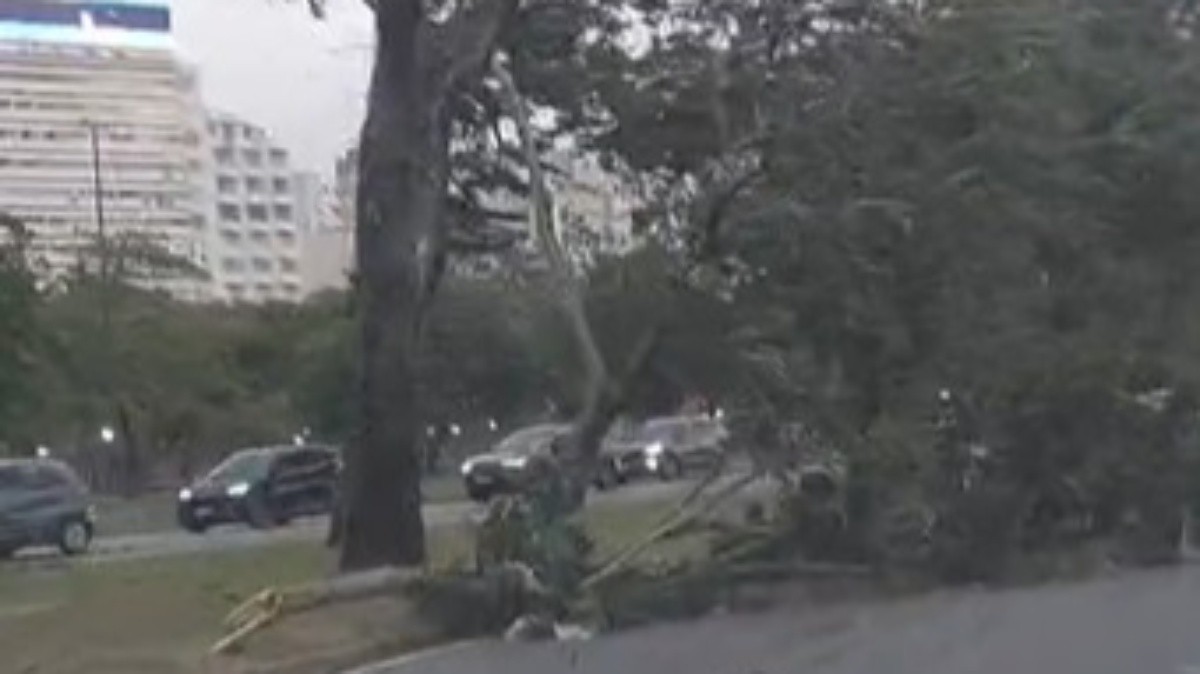
Strong winds exceeding 90 km/h have significantly disrupted transportation across Rio de Janeiro and its metropolitan area. The Metrô Rio subway system experienced a complete suspension of service on all lines due to power outages caused by the severe weather on Wednesday, November 29th. Passengers reported being stranded in dark stations, such as Presidente Vargas, and some were trapped in subway cars for nearly an hour between Flamengo and Botafogo stations in the South Zone. Traffic signals in several South Zone neighborhoods and the city center also went offline. The powerful gusts led to fallen trees blocking roads, including the Aterro do Flamengo and Rua Voluntários da Pátria in Botafogo. In one incident, a fallen utility pole struck a motorcyclist on Avenida Brasil near Maré. Another tree fell on three cars in Tijuca. Four flights bound for Galeão International Airport were diverted to other airports due to the adverse conditions. The BRT bus system also faced disruptions, with a fallen pole affecting service on line 67 between Campo Grande and Deodoro. The Santa Veridiana BRT station temporarily halted boarding and disembarking due to a fallen tree on Estrada da Pedra, and the Dom Bosco station in Recreio dos Bandeirantes was closed due to roof damage. Several BRT lines experienced irregular intervals, and the system extended peak hour operations to accommodate displaced subway and train passengers.
The event highlights the vulnerability of urban infrastructure to extreme weather events, exacerbated by climate change. The widespread impact on transportation, including air, rail, and bus services, underscores the interconnectedness of critical systems and the cascading effects of single points of failure, such as power outages. Future urban planning and infrastructure resilience strategies must account for increasing meteorological volatility. This includes investing in more robust power grids, ensuring adequate tree maintenance and urban green space management to mitigate falling hazards, and developing comprehensive emergency response protocols that can rapidly restore services and communicate effectively with the public during disruptions. The reliance on centralized systems like the subway network also presents a systemic risk that could be addressed through distributed resilience measures.
AI-generated to prompt reflection — not editorial opinion, not advice, not a statement of fact. How this works.