Galileo Galilei First Observed Saturn's Rings on July 30, 1610
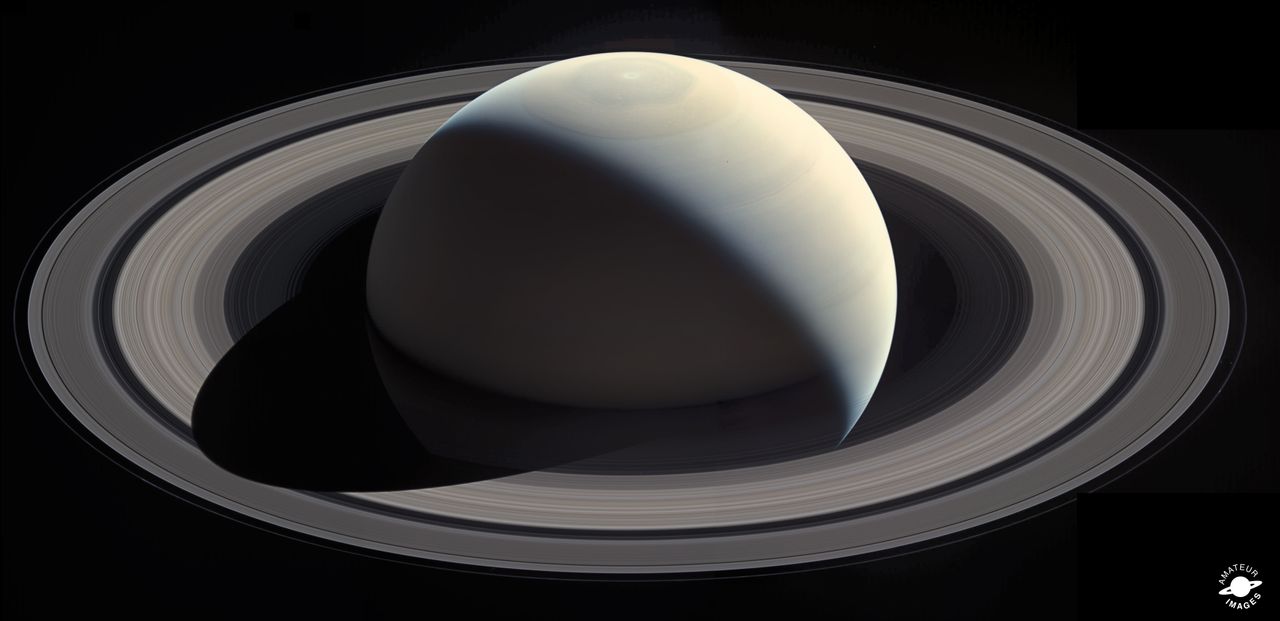
On July 30, 1610, renowned astronomer Galileo Galilei made a groundbreaking observation, becoming the first person to witness the rings surrounding the planet Saturn. This historic sighting occurred centuries ago, yet its significance continues to resonate in the field of astronomy. Galilei's pioneering work with his telescope laid the foundation for future astronomical discoveries and our understanding of the solar system. His observations of Saturn, though not fully comprehended at the time due to the limitations of his instrument, marked a pivotal moment in humanity's exploration of the cosmos. This event underscores the importance of observational astronomy and the relentless pursuit of knowledge about celestial bodies. The discovery paved the way for subsequent generations of scientists to further investigate and map the planets and their unique features. Galilei's legacy as a visionary scientist is cemented by such early and profound insights into the universe.
Galileo's 1610 observation of Saturn's rings, made with early telescopic technology, highlights the historical progression of scientific instrumentation and its impact on discovery. While his initial interpretation of the rings was limited by the telescope's resolution, the act of observation itself was a critical step that spurred further investigation. This event illustrates how technological constraints can shape early scientific understanding, prompting later advancements to refine and correct initial findings. The enduring significance lies in the iterative nature of scientific progress, where foundational observations, even if imperfect, serve as catalysts for deeper exploration and more accurate models in subsequent eras.
AI-generated to prompt reflection — not editorial opinion, not advice, not a statement of fact. How this works.