Gang that stole cancer drugs committed over 50 heists, jeopardizing supply
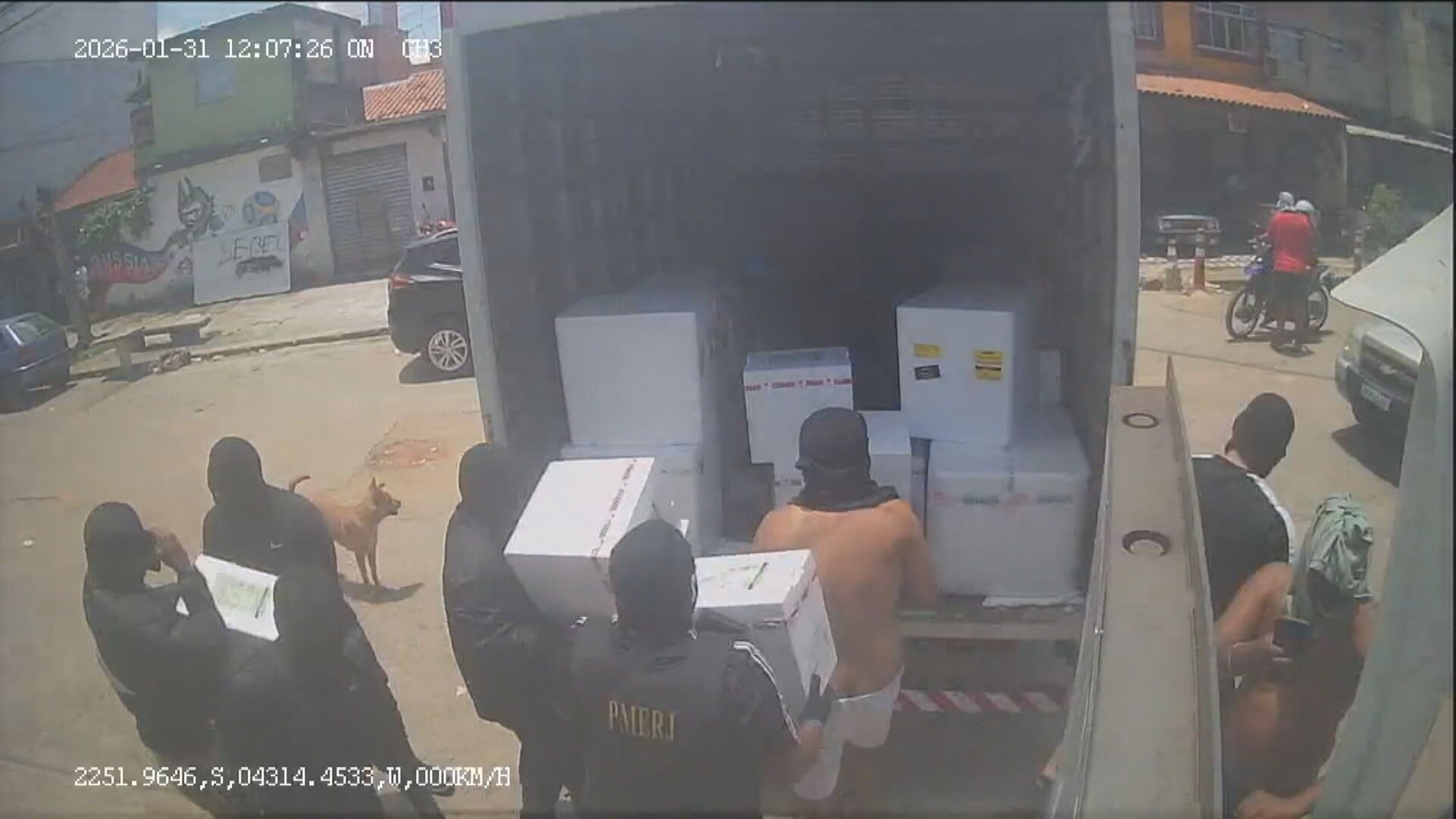
An investigation by the Robbery and Cargo Theft Division (DRFC) in Brazil has uncovered a criminal gang responsible for over 50 heists of cancer medications within three and a half years, causing an estimated loss exceeding R$ 30 million. The scale of these thefts was so significant that it reportedly compromised the supply of essential public services. The gang operated with support from traffickers in the Complexo da Maré, but its command center was located in São Paulo.
Investigators detailed a modus operandi involving cutting through truck trailers with electric saws to access the valuable cargo. In one incident in Duque de Caxias, criminals used a convoy of vehicles to stop a truck, stealing R$ 1.1 million worth of medication in about ten minutes. Intercepted conversations revealed detailed planning, including discussions about acquiring tools like angle grinders to breach the truck bodies. The stolen drugs, intended for cancer patients, were handled carelessly, with insulated boxes being discarded during transfer to other vehicles, potentially compromising their efficacy.
Authorities have identified key figures in the operation, including Ronald Gonçalves da Silva, known as Talarico, who is currently a fugitive and allegedly coordinated the heists. Fernanda Rodrigues França and Umberto Xavier de Lima have been arrested and are accused of channeling the stolen drugs to front companies for resale. The alleged mastermind is Stefano Montovani Fernandes, arrested in Santo André, São Paulo, where police seized R$ 4.6 million in stolen cancer medications from one of his cars. The investigation highlights the direct threat these crimes pose to the lives of cancer patients.
This criminal operation highlights a critical vulnerability in supply chains for essential medicines, particularly those with high street value and specialized storage requirements. The gang's sophisticated methods, including coordinated attacks and specialized tools, suggest a well-organized enterprise. The involvement of organized crime elements, such as drug trafficking factions, indicates a convergence of illicit markets. The economic impact, measured in tens of millions of Reais, is significant, but the direct threat to vulnerable patient populations elevates the severity beyond typical cargo theft. Future security strategies may need to consider enhanced tracking, secure logistics, and potentially public-private partnerships to safeguard critical medical supplies against such organized criminal threats, especially as the value of specialized pharmaceuticals continues to rise.
AI-generated to prompt reflection — not editorial opinion, not advice, not a statement of fact. How this works.