Gangster Anmol Bishnoi Seeks Surrender in Salman Khan Shooting Case; Family Demands Custody in Baba Siddiqui Murder
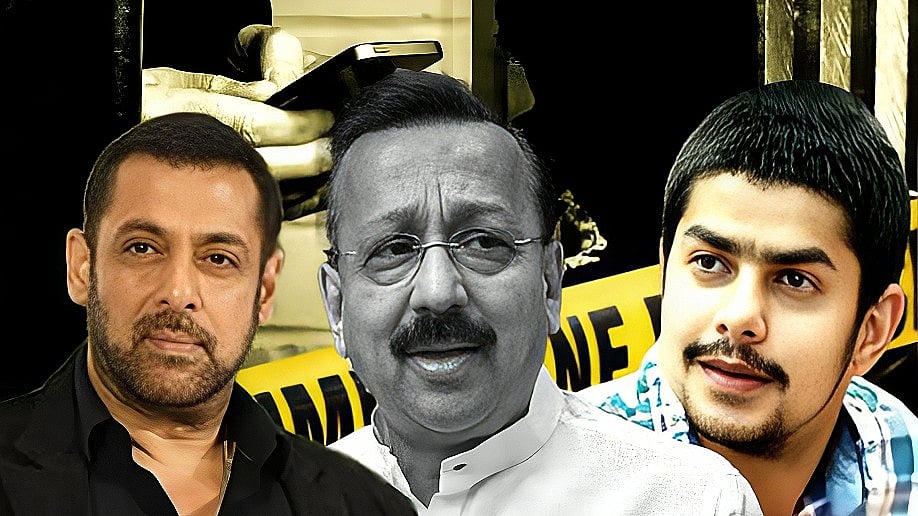
Gangster Anmol Bishnoi has expressed his intention to surrender in the case related to the firing outside Bollywood actor Salman Khan's residence. Simultaneously, the family of NCP leader Baba Siddiqui has approached the court, seeking an order for the Mumbai Police to take Bishnoi into their custody for interrogation in the murder case. This development marks a significant turn in two high-profile cases involving Anmol Bishnoi.
According to recent reports, Anmol Bishnoi filed an application in Mumbai's Special MCOCA court requesting permission to surrender in the Salman Khan residence shooting case, seeking the court's intervention for a fair trial. In a separate plea, Baba Siddiqui's family has also filed an application in a Mumbai court, urging the investigating agency to take Anmol Bishnoi into custody for questioning. They allege that the investigation is being delayed due to "external pressure," and that Bishnoi's interrogation could reveal the masterminds and conspirators behind the murder.
Baba Siddiqui, a former Maharashtra minister, was shot and killed on the night of October 12, 2024, outside his son Zeeshan Siddiqui's office in Bandra East, Mumbai. Anmol Bishnoi, the younger brother of jailed gangster Lawrence Bishnoi, was extradited from the United States to India in November of the previous year and is currently held in Delhi's Tihar Jail. The Siddiqui family's application highlights concerns about the prolonged trial process due to delays in Bishnoi's custody, noting that while charges have been framed against 27 accused, Bishnoi has not yet been produced in court. The court has sought a response from the prosecution, with the next hearing scheduled for July 10. Both the Salman Khan shooting case and the Baba Siddiqui murder case list Anmol Bishnoi as a fugitive accused.
This situation highlights the complex interplay between organized crime, high-profile individuals, and the justice system. The dual legal actions involving Anmol Bishnoi underscore the challenges in prosecuting individuals linked to multiple criminal enterprises. The Siddiqui family's plea for custody, citing external pressure, points to potential systemic vulnerabilities where influence could impede thorough investigation. From a future-oriented perspective, the increasing sophistication of criminal networks and their ability to operate across jurisdictions, as evidenced by Bishnoi's extradition, necessitates enhanced international cooperation and robust legal frameworks to ensure accountability. The cases also raise questions about the efficiency of legal processes when dealing with fugitive accused and the balance between swift justice and due process.
AI-generated to prompt reflection — not editorial opinion, not advice, not a statement of fact. How this works.