Garanhuns Winter Festival 2026: Final Weekend Features Belo, Matheus & Kauan, Roupa Nova
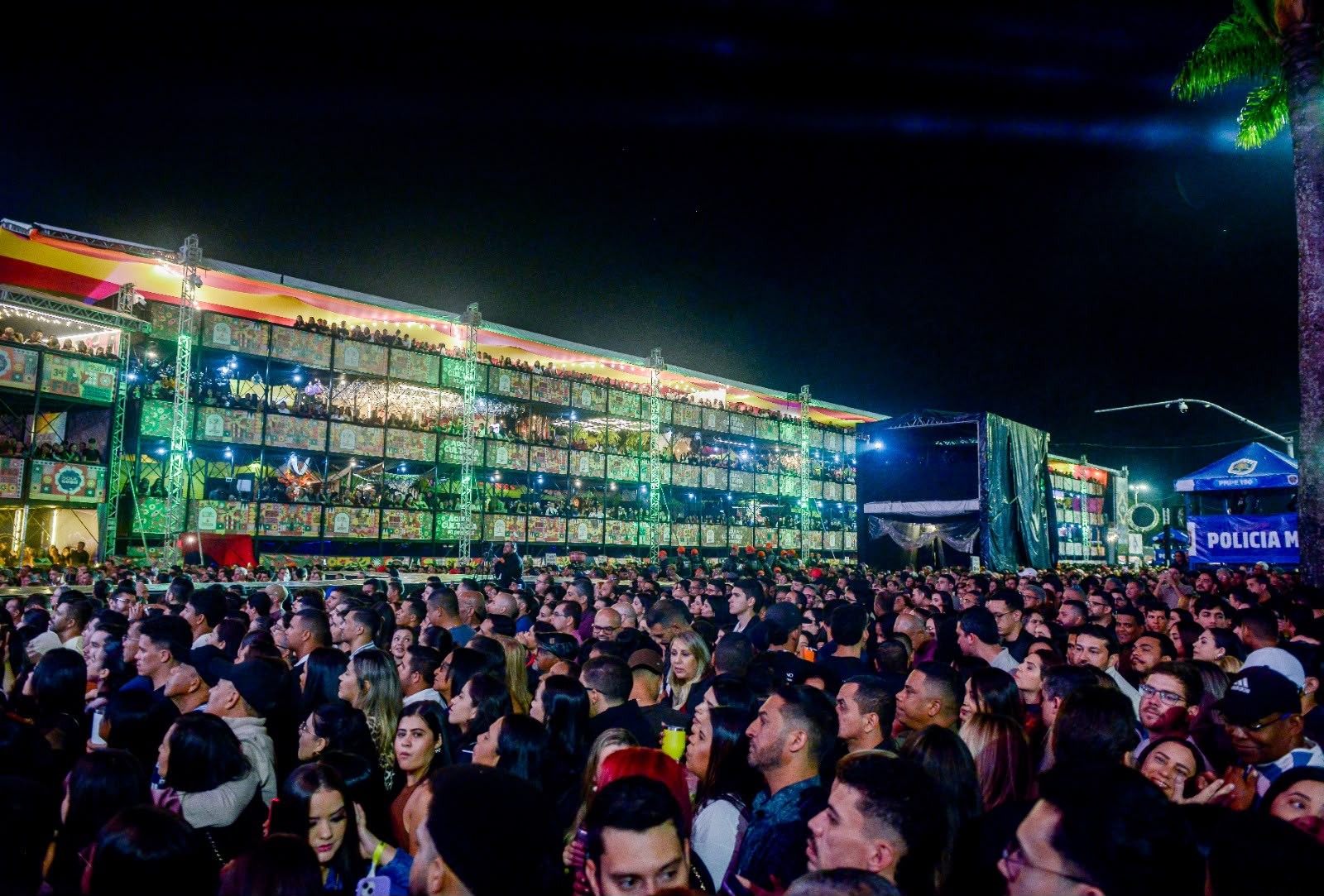
The 34th Garanhuns Winter Festival (FIG) 2026 is entering its final weekend of shows and cultural activities, running from Wednesday, July 22nd, to Sunday, July 26th. This year's festival, which began on July 9th, is considered the largest multicultural festival in Latin America, offering free programming across more than 20 cultural hubs in Garanhuns. Attendees can enjoy a diverse range of performances including music, theater, dance, literature, and visual arts.
The main stage, Palco Mestre Dominguinhos, will host prominent artists such as Belo, Matheus & Kauan, Roupa Nova, Ferrugem, Edson Gomes, and Biquíni. Wednesday, July 22nd, is dedicated to reggae, featuring Anderson and Romário, Tribo de Jah, Armandinho, and Edson Gomes. Thursday will see performances by Carlos and Fábio, Diego and Victor Hugo, Gustavo Mioto, and Matheus & Kauan. Friday's lineup includes Nego Júnior, Ferrugem, Belo, and Dilsinho. Saturday's schedule boasts Ycaro, Father Fábio de Melo in a tribute to the Northeast, Roupa Nova, and Biquíni.
Additional stages like Palco Pop Zé da Macuca, Palco Forró Zé da Macuca, and Palco Estação will also host various artists. Palco Pop Zé da Macuca features Tatupeba, Seu Pereira and Coletivo 401, Vanguart, Paty Carlos, Andrea Amorim, Buhr, and Duda Beat. Palco Forró Zé da Macuca presents Valléria Santos, Fagner Chagas, Terezinha do Acordeon, Pedrinho Pontes, Rei do Cangaço, Larissa Lisboa, and Amazan. Performances at Palco Estação begin at 6 PM with Flávia Bittencourt, Martins, and Quinteto Violado. Free tickets for Palco Estação shows must be collected at the Centro Cultural on the day of the performance.
The Garanhuns Winter Festival exemplifies a municipal strategy to leverage cultural events for economic and social revitalization, aiming to position Garanhuns as a significant cultural destination. While the festival's scale and diverse programming are commendable, its long-term sustainability and impact on local economies warrant consideration. Future planning could explore deeper integration with local artistic communities and businesses to ensure broader benefit distribution beyond immediate tourism. Evaluating the return on investment, considering both direct and indirect economic effects, will be crucial for continued public and private sector support. The festival's success also highlights the growing demand for accessible, large-scale cultural experiences, a trend likely to accelerate with advancements in digital and immersive technologies, potentially offering new avenues for engagement and reach.
AI-generated to prompt reflection — not editorial opinion, not advice, not a statement of fact. How this works.