Garanhuns Winter Festival 2026: Traffic restrictions announced
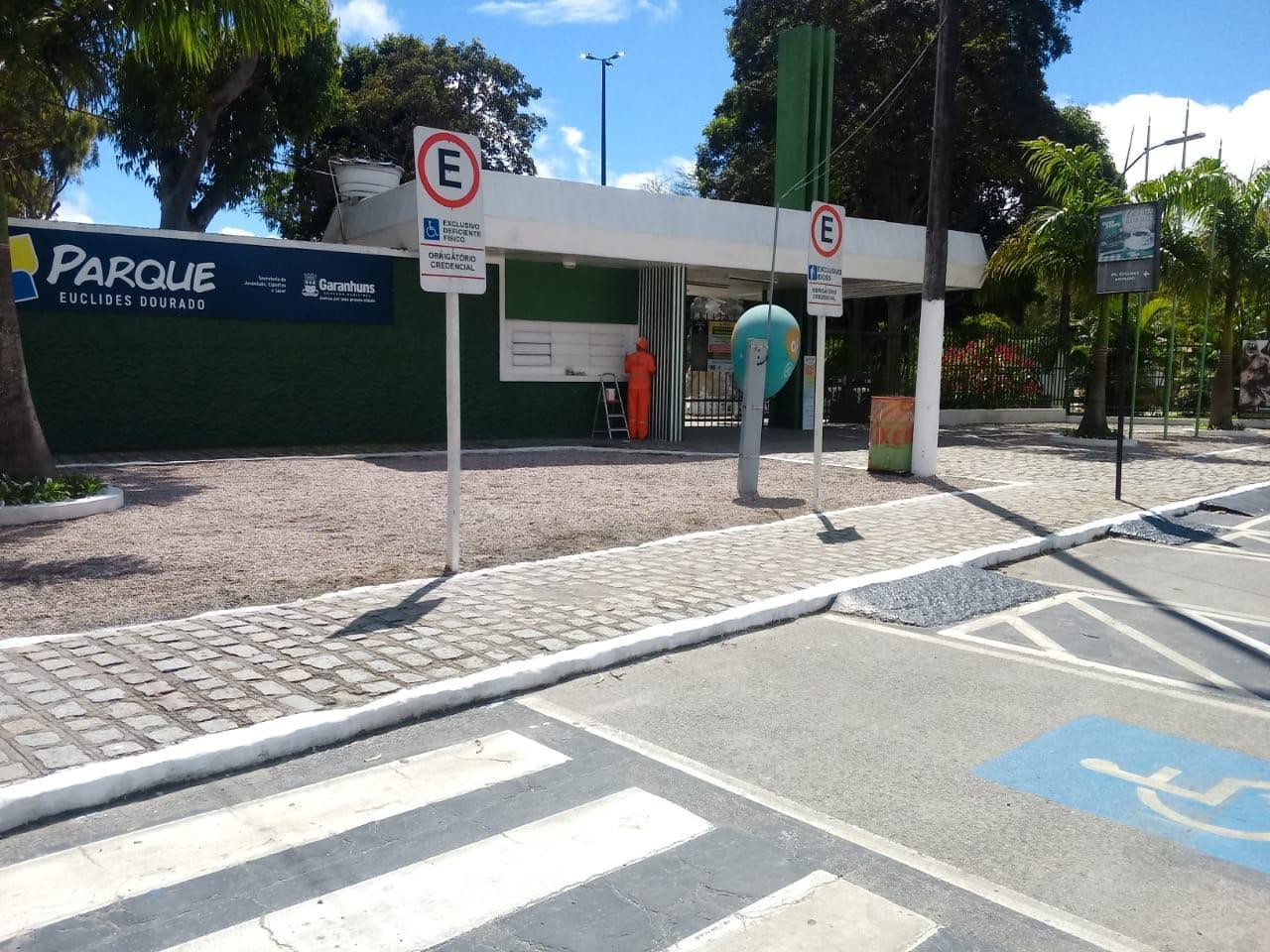
The Municipal Autarchy of Security, Traffic, and Transport (AMSTT) in Garanhuns has released a special traffic scheme for the 34th Garanhuns Winter Festival (FIG), which runs from July 9 to July 26, 2026. Traffic diversions will commence on Thursday, July 9, around the main festival venues, with specific closure times throughout the event's duration. The AMSTT aims to organize vehicle circulation and ensure public safety during the festival. Road closures will vary by date, depending on the operational schedule of each cultural hub, and drivers are advised to plan their journeys in advance. At Praça Mestre Dominguinhos, the main stage, diversions begin on July 9 at 5 PM. At Parque Euclides Dourado, closures start on July 16 at 2 PM, and at Parque Ruber Van Der Linden (Pau Pombo), they also begin on July 16, but at 3 PM. Drivers are urged to obey signage and traffic agent instructions. Vehicles parked improperly or obstructing access routes may be towed to the AMSTT yard at the owner's expense. Residents in affected areas must obtain access credentials from the AMSTT by presenting personal identification and proof of residence. The festival, considered one of Pernambuco's largest cultural events, features 20 cultural hubs across the Agreste region of Pernambuco, offering music, theater, dance, circus, audiovisual, popular culture, literature, gastronomy, and visual arts, attracting visitors from across the state and country.
The implementation of traffic restrictions for the Garanhuns Winter Festival demonstrates a proactive approach to managing large public gatherings. By coordinating road closures and providing advance notice, the AMSTT seeks to balance the logistical demands of a major event with the daily needs of residents and visitors. This strategy aims to mitigate congestion and enhance safety, reflecting common urban planning challenges during significant cultural or sporting events. Future iterations could explore smart traffic management systems and integrated public transport solutions to further optimize flow and reduce reliance on private vehicles, aligning with broader urban sustainability goals.
AI-generated to prompt reflection — not editorial opinion, not advice, not a statement of fact. How this works.