Garantido Boi's 'Pode Remar' Song Goes Viral During World Cup, Igniting Rivalry
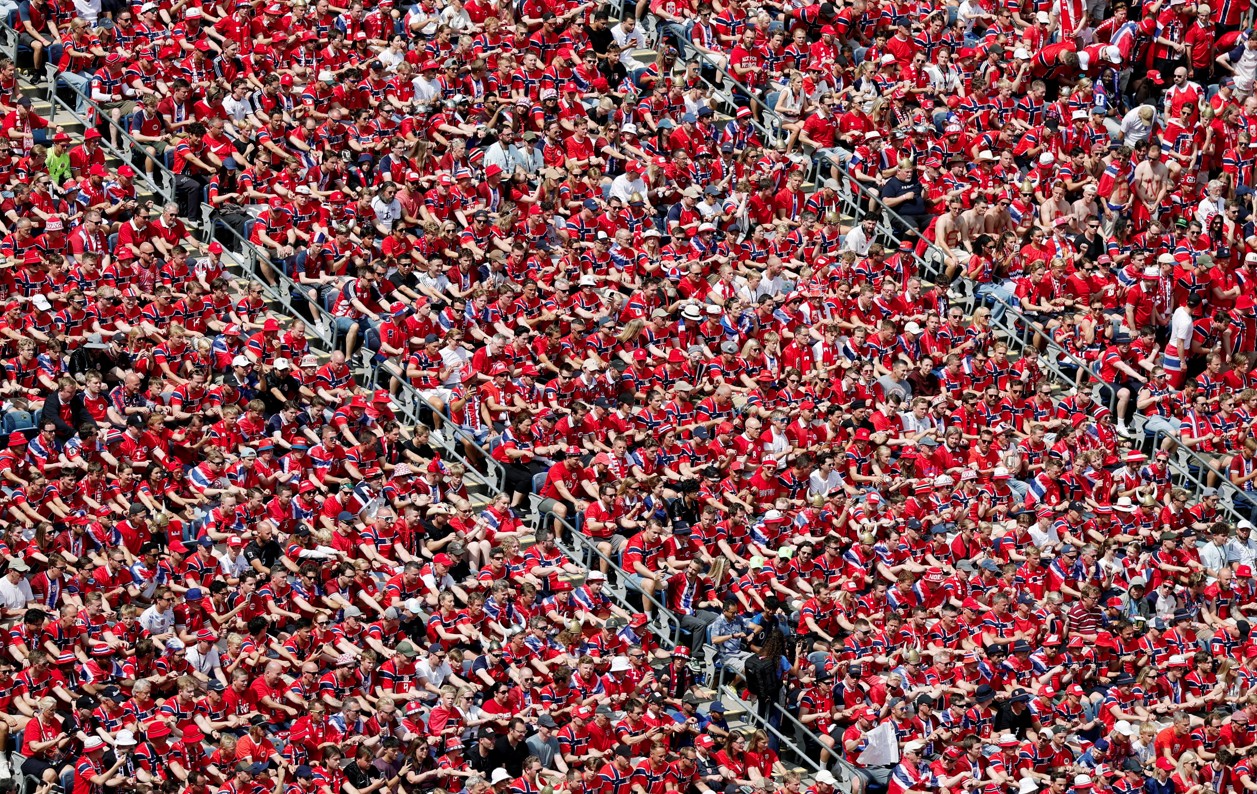
The song 'Pode Remar,' by the Boi-Bumbá Garantido, has gained significant traction on social media, resonating with Brazilian national team supporters ahead of their match against Norway on Sunday, June 5th. This viral success has also intensified the long-standing rivalry between the Boi Garantido and Boi Caprichoso from Parintins. The lyric 'Pode remar, remar, contrário sai pra lá' ('Row, row, the opposite goes away') has become a popular retort to the Norwegian team's 'Viking row' celebration, which involves synchronized rowing motions accompanied by drums and chants. The song's popularity was highlighted by João Paulo Faria, the 'amo' (leader) of Boi Garantido, who emphasized its impact. The official Garantido profile on social media reinforced its status, boasting of being a five-time champion with national and international hits. Boi Garantido's president, Fred Góes, previously referred to the song as the 'new hit of the World Cup' in a video shared on June 3rd. The song was composed by Amazonian artists Márcia Novo, Luciano Nascimento, Daniel Carvalho, and Leonardo Castelo. Castelo expressed surprise at the song's success, noting it was his first approved for the 2025 Garantido album and hoping it brings luck to the Brazilian team. Singer Márcia Novo shared her excitement, stating that if Brazil wins, the song will solidify its status as a World Cup hit.
The viral spread of the 'Pode Remar' toada, originating from the traditional Boi-Bumbá festival and amplified by its adoption during the World Cup, illustrates the powerful intersection of cultural heritage and contemporary global events. This phenomenon highlights how cultural expressions can transcend their original contexts to become vehicles for national sentiment and inter-cultural commentary. The song's lyrical content, repurposed as a playful taunt against a rival national team's celebration, demonstrates the dynamic adaptability of cultural artifacts in the digital age. This integration of local tradition into a global sporting spectacle suggests a growing trend where cultural identity is performed and amplified through shared digital experiences, potentially influencing national pride and international perceptions in the coming decade.
AI-generated to prompt reflection — not editorial opinion, not advice, not a statement of fact. How this works.