Garbage mountain collapse kills three, traps dozens in India
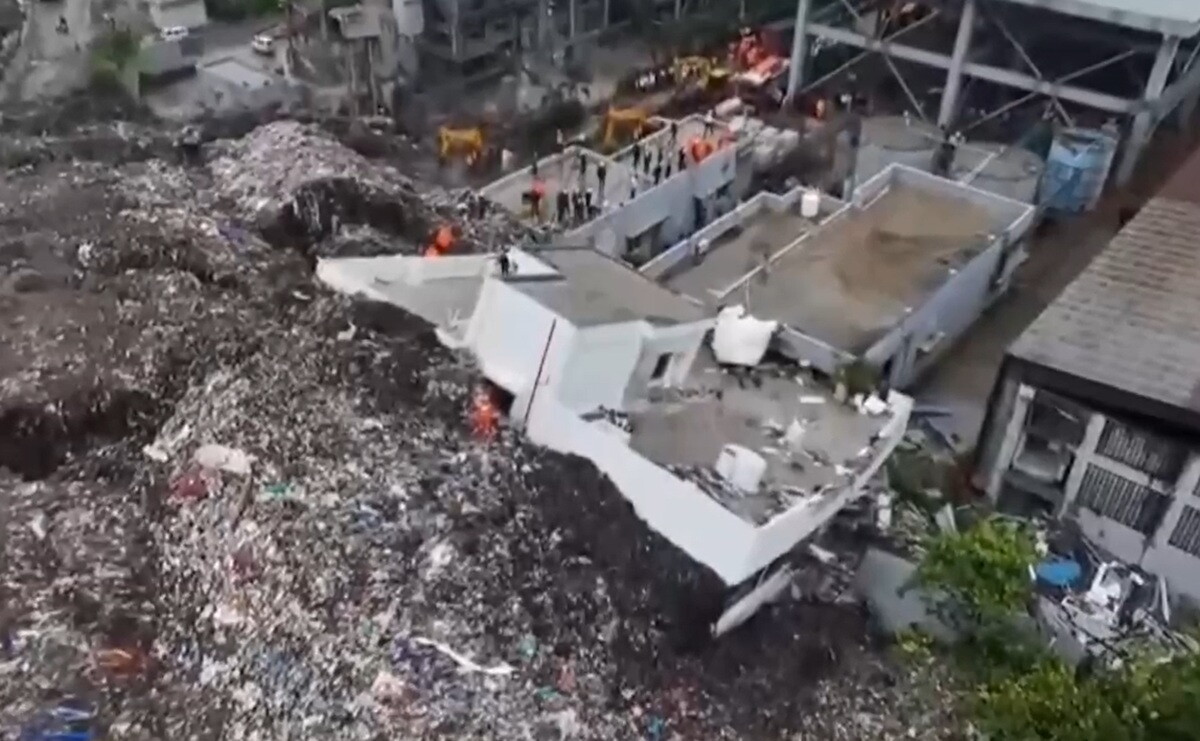
A massive garbage heap collapsed in India, crushing a building and resulting in at least three fatalities and dozens of people trapped. The incident occurred following heavy rains, which are believed to have destabilized the enormous accumulation of waste. The sudden landslide of debris fell onto a structure within the landfill site, where several workers were present at the time. Emergency services are currently engaged in rescue operations to free those who remain trapped under the rubble. The exact number of individuals inside the collapsed building is still being determined, but initial reports suggest a significant number of workers were present. This tragic event highlights the precarious living and working conditions often found at large waste disposal sites, particularly in regions prone to adverse weather. The scale of the disaster underscores the urgent need for improved waste management infrastructure and safety protocols to prevent such catastrophic failures.
This incident tragically illustrates the systemic risks associated with inadequate waste management infrastructure, particularly in densely populated areas. The combination of heavy rainfall and unstable waste accumulation created a hazardous environment, leading to a catastrophic collapse. Such events underscore the critical need for robust urban planning and environmental regulations that prioritize public safety and worker well-being. Future considerations should include investing in modern landfill technologies, implementing early warning systems for geological instability, and ensuring safe housing and working conditions for all individuals, especially those in informal or precarious employment sectors. Addressing these underlying structural issues is paramount to preventing similar disasters and fostering more resilient communities.
AI-generated to prompt reflection — not editorial opinion, not advice, not a statement of fact. How this works.