Garcia Vows 'Worst Enemy' Status to Gueye Ahead of Senegal Clash
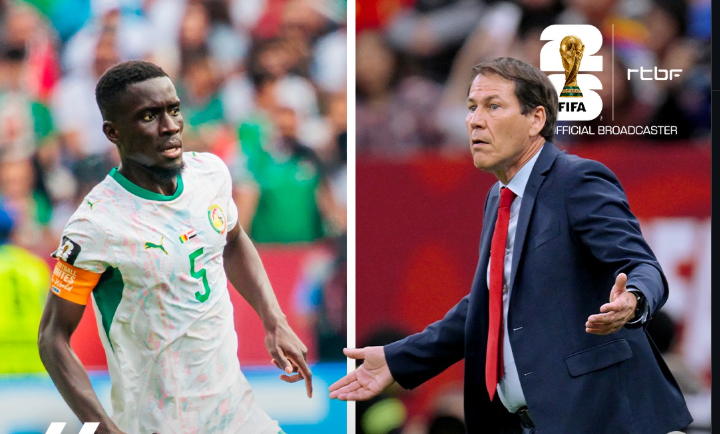
Ahead of the World Cup match between France and Senegal, French coach Rudy Garcia paid a strong tribute to Idrissa Gana Gueye, a player he helped develop into a top-tier talent. Garcia acknowledged Gueye's professional debut under his mentorship, highlighting their past connection. However, he also issued a stern warning, stating that despite their prior relationship, he would become Gueye's 'worst enemy' on the field during the upcoming game. This declaration sets a competitive and intense tone for the encounter, emphasizing the professional demands of international football. The coach's words suggest a dual approach: recognizing past achievements while prioritizing victory in the present. The tribute underscores Gueye's significance as a player whose career trajectory was notably influenced by Garcia. The coach's public statement serves as both a nod to their history and a clear signal of his team's unwavering focus on the match. This dynamic adds an intriguing personal narrative to the broader geopolitical and sporting context of the World Cup fixture.
The coach's public declaration of intent towards a former protégé frames the upcoming match through a lens of personal rivalry, potentially amplifying player motivation and fan engagement. This approach, while common in sports, highlights the complex interplay between personal relationships and professional obligations in high-stakes competition. From a systems perspective, such narratives can serve to galvanize team spirit and distract from underlying strategic or performance-related challenges. Looking forward, the increasing professionalization of sports, coupled with the pervasive influence of media, means that personal histories will continue to be leveraged as narrative devices. This raises questions about the ethical boundaries of psychological tactics and their long-term impact on athlete well-being and the integrity of the competitive process. The focus remains on the strategic deployment of narrative to achieve performance objectives within the established rules of the game.
AI-generated to prompt reflection — not editorial opinion, not advice, not a statement of fact. How this works.