Gardens Must Adapt to Climate Change: Embracing Mediterranean Styles
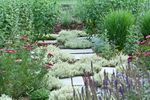
Climate change is fundamentally altering the conditions for gardening, necessitating a shift in how we design and maintain our green spaces. The Mediterranean region offers a compelling model for gardens that can thrive despite increasing heat and drought. This approach involves selecting plant species that are naturally adapted to arid conditions and require less water. It also encourages landscaping techniques that conserve moisture, such as mulching and efficient irrigation systems. The traditional European garden, often reliant on lush lawns and water-intensive plants, is becoming increasingly unsustainable. Embracing a more Mediterranean aesthetic means accepting a different kind of beauty, one that is resilient and adapted to a warmer, drier climate. This transformation is not just about aesthetics but also about ecological responsibility in the face of environmental challenges. The goal is to create gardens that are both beautiful and water-wise, reflecting the new reality of our planet's climate.
The increasing frequency of heatwaves and droughts, driven by climate change, presents a significant challenge to traditional gardening practices in many regions. The proposed shift towards Mediterranean-style gardens highlights a necessary adaptation, moving from resource-intensive landscapes to more resilient, water-efficient designs. This transition reflects broader societal trends in resource management and sustainability. Future urban planning and landscape architecture will likely need to integrate such climate-adaptive strategies more systematically to ensure the long-term viability of green spaces and reduce ecological footprints. The challenge lies in balancing aesthetic preferences with ecological imperatives, fostering a public appreciation for drought-tolerant flora and innovative water conservation techniques.
AI-generated to prompt reflection — not editorial opinion, not advice, not a statement of fact. How this works.