Gas Crisis and Power Outages Plague Bangladesh, Duration Unknown
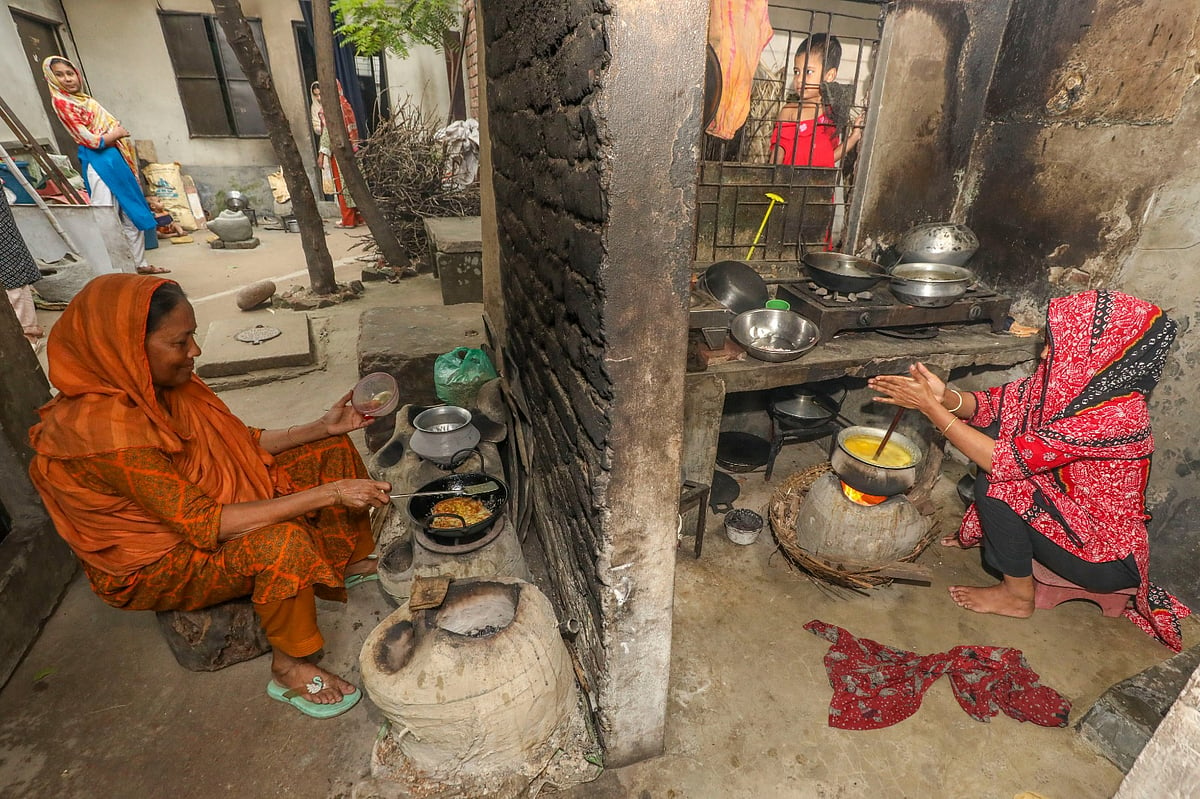
Bangladesh is currently facing a severe dual crisis of gas shortages and widespread load shedding, significantly impacting both industrial operations and domestic cooking. The country's industrial wheels are grinding to a halt due to the lack of gas, while households struggle with the inability to use their cooking stoves. This energy deficit has led to a substantial increase in power outages, with the highest load shedding exceeding 2,500 megawatts. The duration of these persistent energy problems remains uncertain, leaving citizens and businesses in a state of prolonged difficulty. The interconnectedness of gas and electricity supply means that issues in one sector exacerbate problems in the other. The government has not provided a clear timeline for when these energy challenges are expected to be resolved. This situation is creating significant economic strain and affecting the daily lives of the population.
The dual energy crisis in Bangladesh, characterized by gas scarcity and extensive load shedding, highlights systemic vulnerabilities in the nation's energy infrastructure and supply chain management. The interconnectedness of gas and electricity generation means that disruptions in one directly impact the other, creating a cascading effect on industrial output and household consumption. This situation raises questions about long-term energy security planning, diversification of energy sources, and the efficiency of existing distribution networks. Addressing these challenges will likely require significant investment in infrastructure upgrades, strategic resource management, and potentially exploring alternative energy solutions to mitigate future risks and ensure stable economic growth over the next decade.
AI-generated to prompt reflection — not editorial opinion, not advice, not a statement of fact. How this works.