Gas Prices Climb Amid US-Iran Tensions and Strait of Hormuz Disruption
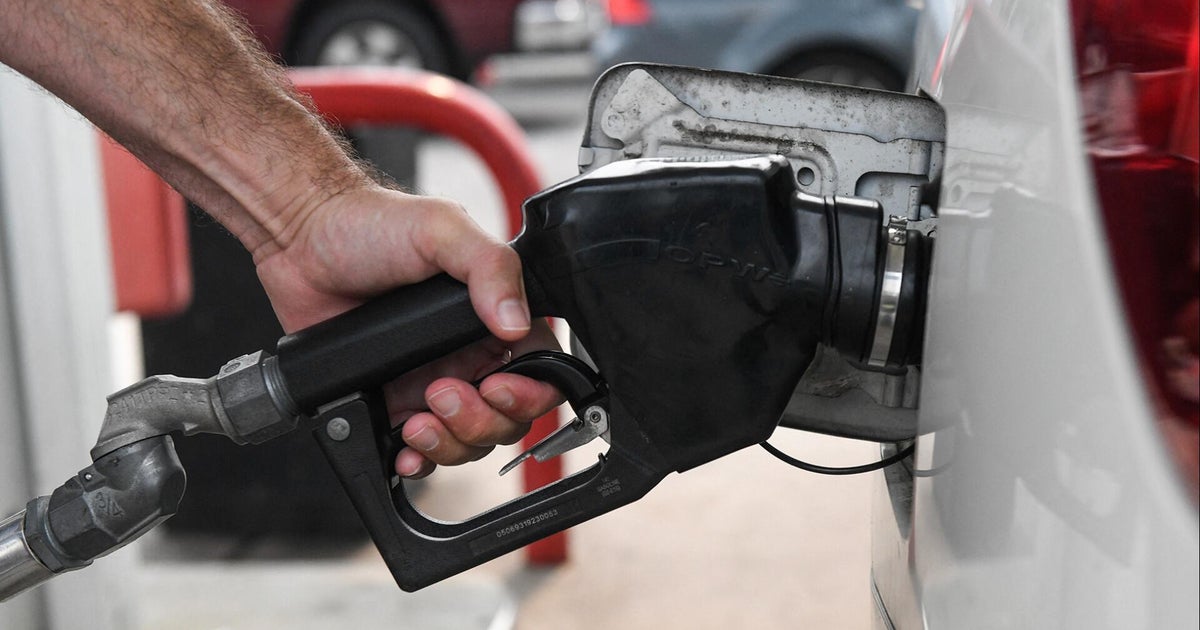
Gasoline prices are experiencing an upward trend once more, directly linked to the escalating conflict between the United States and Iran. Both nations have been engaged in reciprocal strikes, intensifying regional instability. A significant consequence of this geopolitical tension is the disruption of shipping traffic through the critical Strait of Hormuz. This vital waterway, a key chokepoint for global oil transport, has seen a substantial decrease in vessel movement. The reduction in maritime activity is contributing to supply concerns and, consequently, pushing up the cost of fuel. Lindsey Reiser has provided further details on this developing situation. The ongoing military actions and the resulting impact on international trade routes are creating a volatile environment for energy markets. Consumers are likely to feel the effects of these price increases at the pump in the near future.
The current rise in gas prices appears to be a direct consequence of geopolitical instability in the Middle East, specifically the military actions between the U.S. and Iran and their impact on the Strait of Hormuz. This event highlights the inherent vulnerability of global energy markets to regional conflicts and disruptions in key transit points. The interconnectedness of international trade means that localized tensions can have widespread economic ramifications, affecting consumer costs and potentially influencing broader economic policies. Looking ahead, the reliance on fossil fuels and the strategic importance of maritime chokepoints suggest that such price volatility may persist, underscoring the ongoing need for diversified energy sources and robust diplomatic efforts to ensure stable global supply chains.
AI-generated to prompt reflection — not editorial opinion, not advice, not a statement of fact. How this works.