Gas Prices Surpass $4 Per Gallon Amid Escalating Iran Conflict
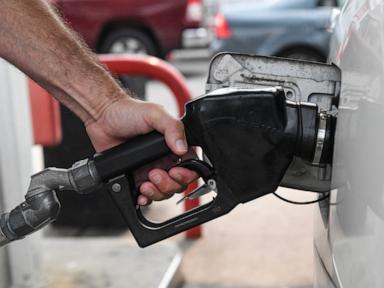
U.S. gasoline prices have begun to climb again after a period of decline, with the national average now exceeding $4 per gallon. This resurgence in fuel costs coincides with an escalation of the conflict involving Iran. The situation suggests a renewed sensitivity in energy markets to geopolitical instability, particularly in regions crucial for oil supply.
While the specific details of the escalation are not provided, the correlation between the rising gas prices and the events in Iran highlights the interconnectedness of global politics and domestic economic conditions. Consumers are likely to feel the impact of these higher prices at the pump, potentially affecting household budgets and consumer spending patterns.
The rise in gasoline prices, crossing the $4 per gallon threshold, indicates a market reaction to perceived supply chain risks stemming from geopolitical tensions in Iran. This event underscores the persistent vulnerability of global energy markets to regional conflicts, even as economies transition towards alternative energy sources. The price increase serves as a reminder of the complex interplay between international relations, commodity markets, and consumer economics. Future energy security strategies will likely need to balance geopolitical risk mitigation with the acceleration of domestic production and diversification of energy supplies to buffer against such volatility.
AI-generated to prompt reflection — not editorial opinion, not advice, not a statement of fact. How this works.