Gas Shortage Grips Bangladesh After LNG Terminal Fire
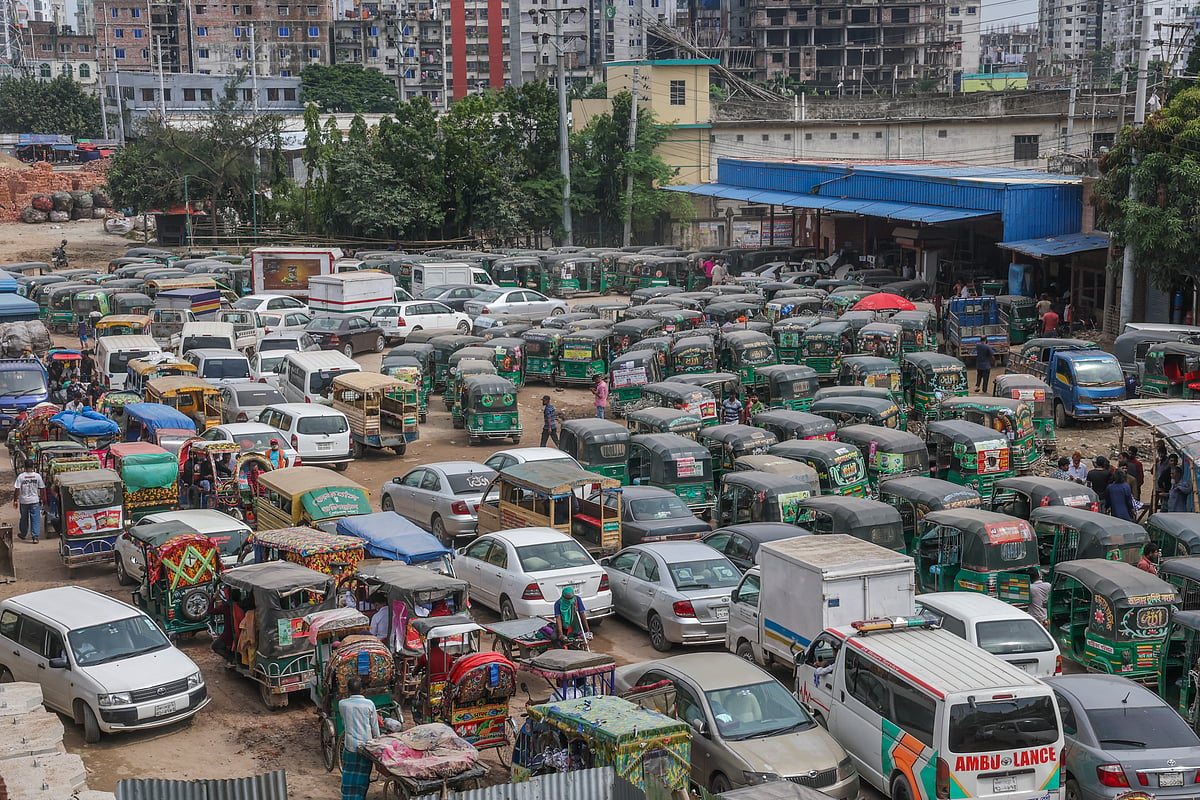
A severe gas crisis has been affecting various parts of Bangladesh, including the capital Dhaka, for the past week following a fire at an LNG terminal in Cox's Bazar. The disruption has led to a significant reduction in gas supply, impacting daily life and economic activities across the country. Households are struggling with cooking, as gas stoves remain unlit, forcing many to seek alternative cooking methods like using LPG cylinders or traditional wood-fired stoves. This has also increased household expenses for many families. Industrial production has been hampered, and electricity generation has decreased, resulting in increased load shedding and power outages. The crisis is particularly acute for owners of CNG-powered vehicles, who are facing long queues and hours of waiting at filling stations. Drivers have been observed resting inside their auto-rickshaws due to exhaustion from prolonged waits. The low gas pressure has caused extensive queues that spill onto the roads, disrupting traffic. Many individuals have been seen sleeping in line while waiting for gas, highlighting the severity of the situation. The widespread impact underscores the nation's reliance on gas for essential services and its vulnerability to supply chain disruptions.
The recent gas shortage in Bangladesh, triggered by a fire at an LNG terminal, exposes the nation's critical dependence on imported liquefied natural gas and the fragility of its energy infrastructure. This event highlights systemic risks associated with concentrating energy supply through a single point of failure, especially in a region prone to natural disasters or industrial accidents. The cascading effects on households, industries, and transportation underscore the need for diversified energy sources and robust emergency response protocols. Looking ahead, Bangladesh must accelerate investments in renewable energy and explore decentralized energy solutions to enhance resilience against future supply shocks and mitigate the economic and social disruptions that arise from such vulnerabilities. This situation presents an opportunity to re-evaluate national energy security strategies, balancing immediate needs with long-term sustainability and technological advancements.
AI-generated to prompt reflection — not editorial opinion, not advice, not a statement of fact. How this works.