Gas Shortage Persists in Chittagong Following LNG Terminal Fire
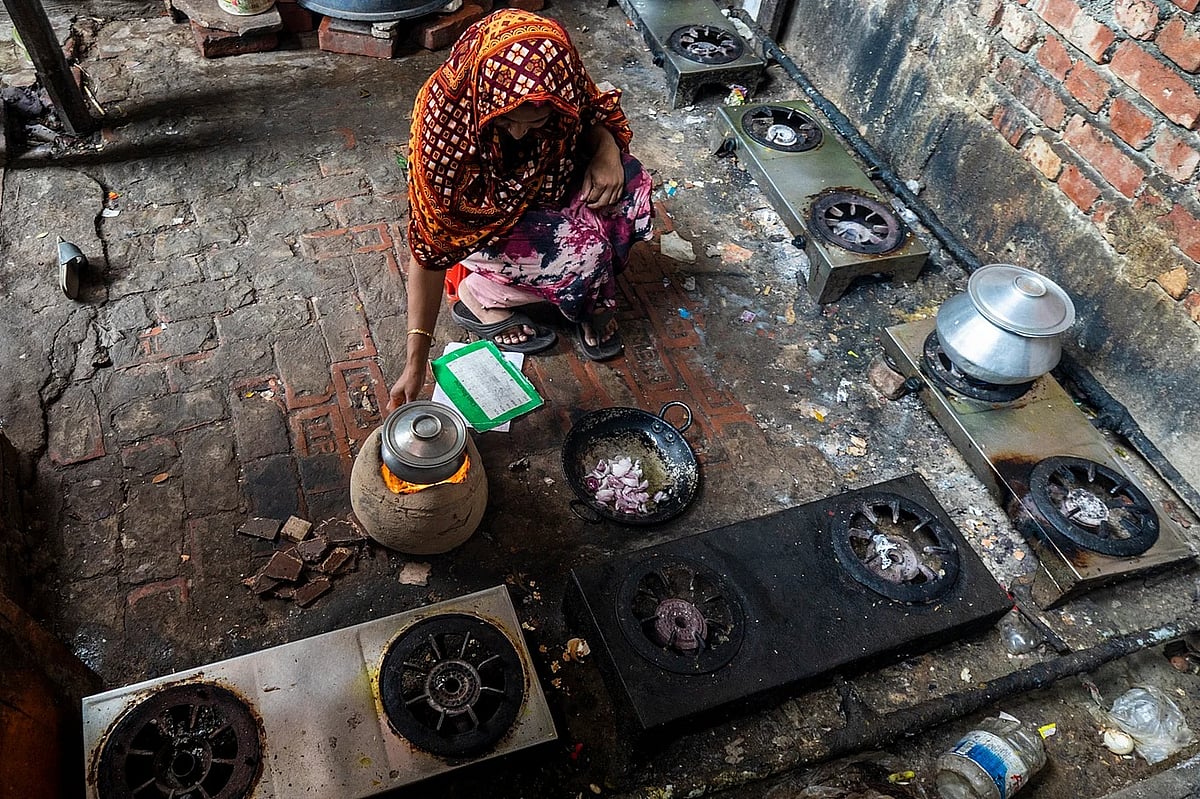
A severe gas crisis continues to affect Chittagong, Bangladesh, following a fire at a floating Liquefied Natural Gas (LNG) terminal in Maheshkhali, Cox's Bazar. The incident has significantly reduced gas supply, with the city receiving only 66% of its demand. This shortfall has led to drastic reductions in gas pressure for both industrial and residential consumers, causing widespread disruption. Many residents, like Shirin Akhter from Halishahar, report being unable to complete their cooking until the afternoon due to low gas pressure and intermittent supply. The situation has persisted for over a week, impacting daily life and industrial operations.
Karnaphuli Gas Distribution Company Limited (KGDCL) has been forced to reduce gas pressure to industries, captive power generation, and residential sectors to manage the deficit. The Maheshkhali terminal, operated by US-based Excelerate Energy, is crucial for Chittagong's gas supply, alongside another terminal operated by Summit LNG Terminal. Both terminals feed gas into the national grid that supplies the city. This reliance makes Chittagong vulnerable to disruptions at either facility.
Officials estimate that the damaged terminal may take until August 10 to become fully operational, though efforts are underway to bring its undamaged boiler online sooner. This partial restoration could increase supply by approximately 300 million cubic feet per day, potentially easing the current crisis. However, the full resolution of the gas shortage is contingent on the complete repair and reactivation of the damaged terminal. Meanwhile, consumers remain largely uninformed about the duration or extent of the crisis, with no official advisories posted on KGDCL's website regarding supply fluctuations or necessary preparations.
The recurring gas shortages in Chittagong highlight a systemic vulnerability stemming from an over-reliance on a limited number of critical LNG import terminals. The incident underscores the need for enhanced redundancy and robust contingency planning within Bangladesh's energy infrastructure. While the immediate focus is on repairing the damaged terminal, a forward-looking strategy should consider diversifying supply sources and investing in domestic gas exploration to mitigate future risks. Furthermore, improving public communication protocols during such crises is essential to manage consumer expectations and reduce widespread disruption. The current situation presents an opportunity to re-evaluate energy security strategies for the next decade, particularly in light of increasing global energy demand and potential geopolitical instability affecting supply chains.
AI-generated to prompt reflection — not editorial opinion, not advice, not a statement of fact. How this works.