Gas Shortage Worsens in Chittagong After LNG Terminal Fire
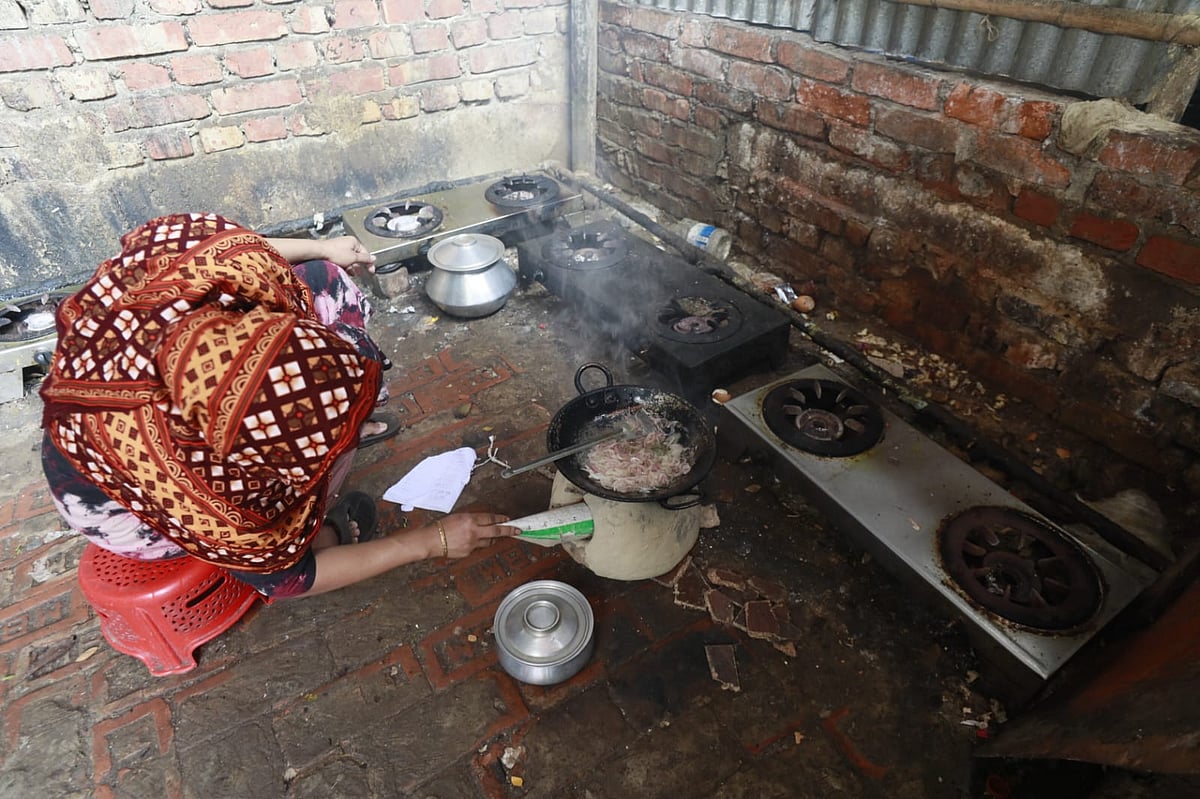
Chittagong, Bangladesh, is experiencing a severe gas shortage, a problem that is not new to the region. However, the situation has significantly deteriorated following a fire incident at a unit of the Maheshkhali Floating LNG terminal last Tuesday. The fire has exacerbated the existing low gas pressure issues that residents and businesses in Chittagong have been facing. The prolonged disruption means that many have spent their entire mornings and afternoons waiting for gas supply. This lack of adequate gas pressure impacts daily life, affecting households and potentially industrial operations. The Maheshkhali terminal is crucial for the country's liquefied natural gas (LNG) supply, and its operational disruption has direct consequences. Authorities are likely assessing the damage and working on restoring the affected unit to alleviate the growing crisis.
The incident at the Maheshkhali Floating LNG terminal highlights the critical infrastructure vulnerabilities within Bangladesh's energy supply chain. Dependence on a single point of failure, such as a key terminal unit, creates significant risk exposure, leading to widespread public inconvenience and potential economic disruption. Future energy security strategies should prioritize redundancy and resilience in critical infrastructure to mitigate the impact of unforeseen events. Diversifying supply sources and investing in robust maintenance protocols for floating terminals are essential steps to ensure stable energy access for Chittagong and the wider region, especially as the nation navigates increasing energy demands in the coming decade.
AI-generated to prompt reflection — not editorial opinion, not advice, not a statement of fact. How this works.