Gas station attendant injured after car crashes into pump in Bahia, Brazil
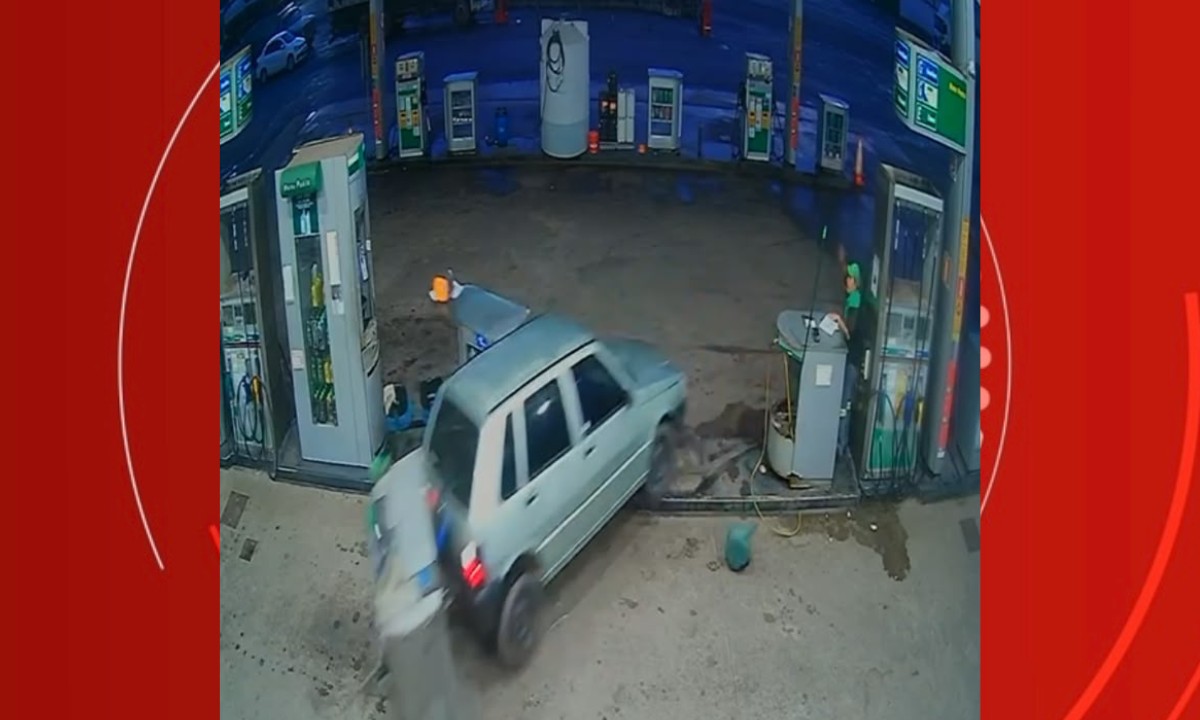
A gas station attendant in Catu, Bahia, Brazil, sustained minor injuries on Friday, May 3rd, after a car accidentally accelerated backward into a fuel pump while she was servicing it. The incident occurred around 5:30 AM at a gas station on Rua José Visco, in the Pioneiro neighborhood. Security camera footage captured the moment the vehicle struck the pump, dislodging equipment and hitting the employee. According to the Military Police, the 59-year-old driver was instructed by the attendant to reverse slightly to position the car closer to the pump. However, he mistakenly accelerated, causing the collision. The victim was taken to a local health facility, where she was treated for light injuries and is reported to be recovering well, with no fractures. The driver, who was licensed and had regular documentation, remained at the scene to provide assistance and await police. The Municipal Superintendence of Transit and Transport (SMTT) also responded. Both the driver and an SMTT traffic agent were taken to the police station for legal proceedings. The Civil Police registered the event as property damage to the commercial establishment.
This incident highlights the inherent risks faced by service station attendants, particularly in environments where vehicle operation and fuel handling intersect. The accident underscores the critical importance of driver attentiveness and precise vehicle control, even during routine maneuvers like reversing. From a systemic perspective, the event prompts consideration of safety protocols at fuel stations, including the physical layout of pumps relative to vehicle maneuvering areas and the potential for technological aids to prevent unintended acceleration. Future safety standards may need to incorporate enhanced driver education and potentially automated safety features within vehicles or at fueling infrastructure to mitigate such occurrences, ensuring the well-being of workers and the public.
AI-generated to prompt reflection — not editorial opinion, not advice, not a statement of fact. How this works.