Gas Station Shut Down for Tampering with Fuel Volume in São Paulo State
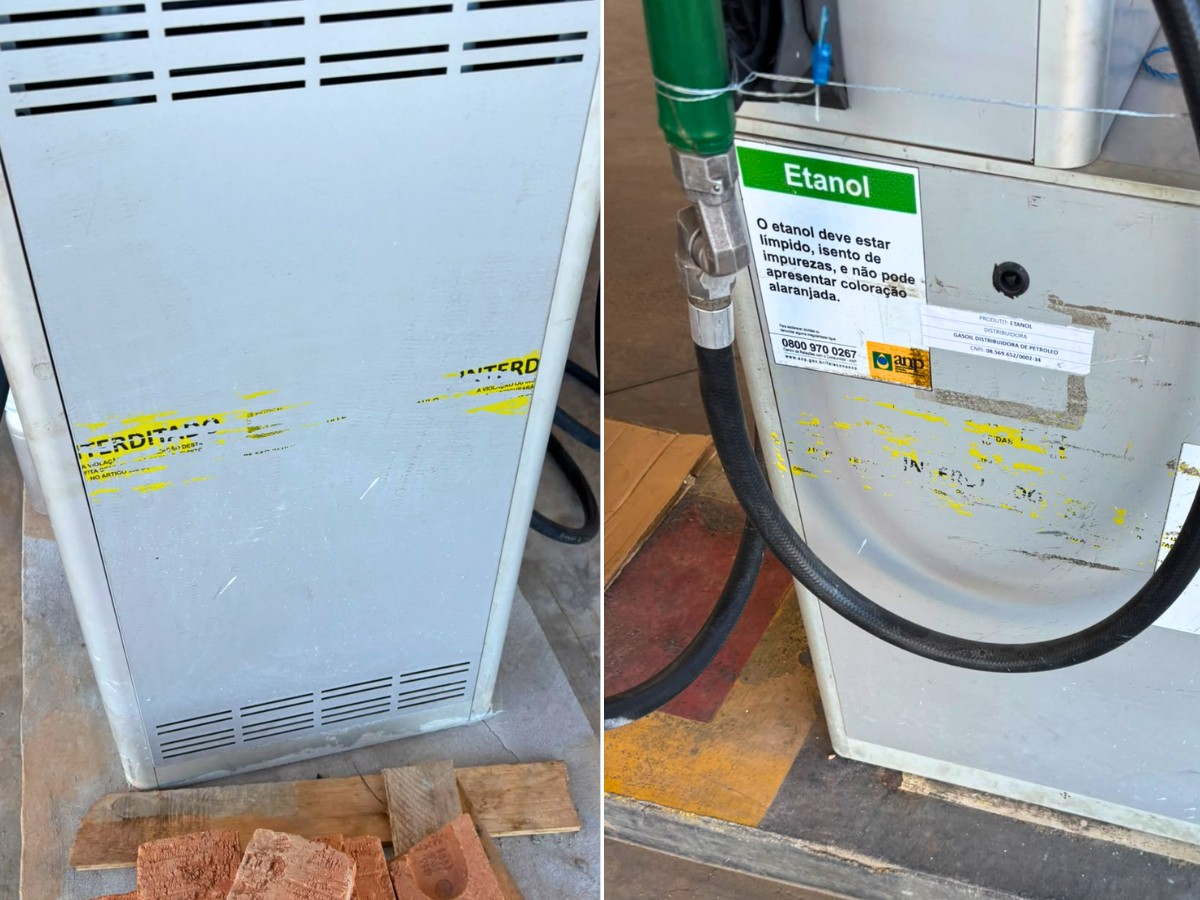
A gas station in Águas da Prata, São Paulo, was shut down on Thursday, February 2nd, for allegedly selling altered volumes of fuel. This action followed a judicial decision to suspend its operations, initiated after a previous inspection in June revealed consumer fraud. During the June inspection, a station manager was arrested for tampering with fuel volumes, a crime against consumer relations. The Institute of Weights and Measures of São Paulo (Ipem) had previously suspended some pumps, but the establishment remained operational.
During the recent shutdown, police discovered that five previously sealed fuel pumps had their seals and interdiction notices violated. New electronic boards were installed on the pumps, and public signs preventing access were removed. The scene prompted the summoning of forensic experts to assess the alterations. When questioned, a manager presented maintenance invoices for the pumps, claiming they were performed at the establishment's own risk. The nozzles and pumps were sealed, and fuel samples were collected for quality analysis. The manager was subsequently indicted for inutilizing official notices or signs, a crime against public administration.
This incident echoes a similar case in late May in São João da Boa Vista, where a manager was arrested for selling adulterated biodiesel and ethanol. Investigations there began due to customer complaints of vehicle malfunctions after refueling. A technical report from Unicamp confirmed the biodiesel was non-compliant with ANP specifications. The manager in that case was also released after a custody hearing, and the establishment was later interdicted.
The repeated instances of fuel volume tampering and adulteration at gas stations in São Paulo highlight a systemic issue of consumer fraud within the retail fuel sector. The enforcement actions, including interdictions and arrests, demonstrate regulatory bodies' efforts to combat these practices. However, the alleged violation of seals and continued operation after interdiction suggest potential weaknesses in oversight and compliance mechanisms. The recurring nature of these offenses, coupled with the quick release of arrested managers pending further judicial process, raises questions about the deterrent effect of current penalties and the speed of legal resolutions. Future regulatory strategies might consider more robust real-time monitoring technologies and stricter penalties for repeat offenders to ensure fair market competition and protect consumer interests.
AI-generated to prompt reflection — not editorial opinion, not advice, not a statement of fact. How this works.