Gas Stove Efficiency: Optimizing Flame for Fuel Savings in Cooking
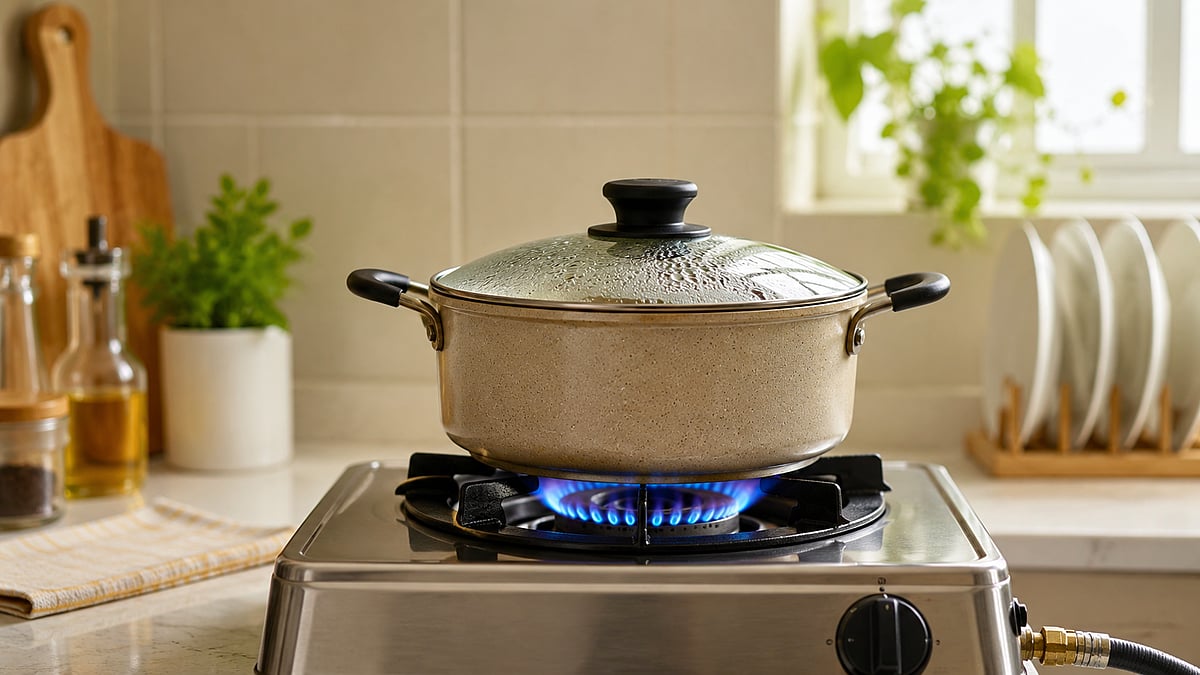
Amidst gas shortages in Dhaka and other parts of Bangladesh, many are seeking ways to conserve cooking gas. A common belief is that cooking on a low flame saves more gas, while others argue that high flames expedite cooking and are thus more efficient. However, the optimal approach lies in using the appropriate flame level for specific cooking stages.
According to Makbul-e-Ilahi Chowdhury, former member (gas) of the Bangladesh Energy Regulatory Commission, neither excessively high nor extremely low flames are consistently ideal. He states that using the necessary flame level is sufficient for gas conservation. If the flame extends beyond the bottom of the pot, excess heat dissipates into the air, leading to wasted gas without fully contributing to cooking. Conversely, while low flames can save gas, initial stages like boiling water or heating oil may require medium to high heat. Once boiling, reducing the flame can cook most foods effectively, minimizing heat wastage and saving gas. International data on fuel efficiency supports that reducing the flame after boiling significantly conserves fuel.
Beyond flame control, several habits enhance gas savings. Using lids traps heat, speeding up cooking and reducing overall gas usage. Soaking ingredients like lentils, chickpeas, or rice beforehand shortens cooking time. Pressure cookers are highly efficient for meats and tough foods, drastically reducing cooking duration and fuel consumption. Using only the necessary amount of water prevents prolonged boiling and steaming. Matching burner size to pot size prevents heat loss, as does keeping burners clean and ensuring a blue flame, indicating efficient combustion. Planning meals, preparing ingredients in advance, and avoiding empty pots on the stove are also crucial for effective gas utilization. Ultimately, the most effective strategy is not always the lowest flame, but the correct flame adjusted to the cooking process.
This report addresses a practical concern regarding domestic fuel consumption, particularly relevant in regions facing energy scarcity. The analysis debunks a common misconception about cooking efficiency, emphasizing that optimal gas usage depends on matching flame intensity to the specific stage of cooking rather than adhering to a single low-flame strategy. The advice provided, such as using lids, pre-soaking ingredients, employing pressure cookers, and matching burner size to pot size, aligns with established principles of thermal efficiency and energy conservation. These methods reduce wasted heat and shorten cooking times, thereby lowering fuel consumption. The underlying systemic issue is the efficient distribution and utilization of a finite resource, highlighting the importance of consumer education and behavioral adjustments in managing energy demand. Future innovations in cooktop technology could further enhance efficiency, but for now, optimizing existing practices remains key.
AI-generated to prompt reflection — not editorial opinion, not advice, not a statement of fact. How this works.