Gasoline Crisis in Russia Hits Putin's Approval Rating to New Low
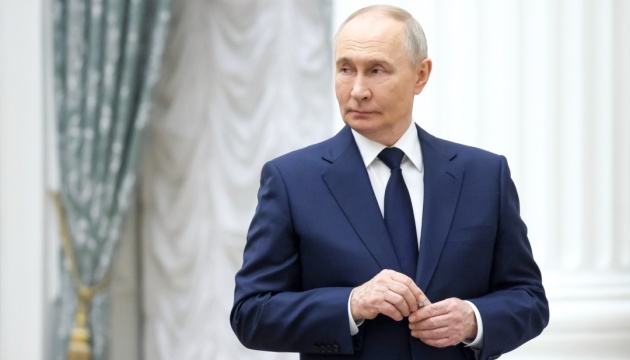
Vladimir Putin's approval rating has declined for the fourth consecutive week, driven by a severe gasoline crisis gripping Russia. The scale of this fuel shortage is reportedly approaching the levels of commodity deficits experienced during the final years of the Soviet Union. This ongoing crisis appears to be significantly impacting public perception of the Kremlin leader's effectiveness. The situation highlights potential vulnerabilities in Russia's energy supply chain and its impact on domestic stability. As the crisis deepens, it raises questions about the government's ability to manage essential resources and maintain public confidence. The declining approval ratings suggest a growing dissatisfaction among the Russian populace with the current economic conditions and leadership.
The reported decline in Vladimir Putin's approval ratings, coinciding with a gasoline crisis, suggests a potential disconnect between state-managed resource distribution and public expectations. Such shortages, reminiscent of Soviet-era economic challenges, can erode public trust and highlight systemic inefficiencies in supply chain management and economic oversight. The Kremlin's response to this crisis will be critical in shaping future public sentiment and assessing the resilience of its governance model against commodity shocks. This event may serve as an indicator of broader economic pressures and the populace's sensitivity to disruptions in essential goods, particularly in the context of evolving geopolitical and economic landscapes over the next decade.
AI-generated to prompt reflection — not editorial opinion, not advice, not a statement of fact. How this works.