Gasoline Shortage Grips Dhaka Filling Stations Amidst Long Queues
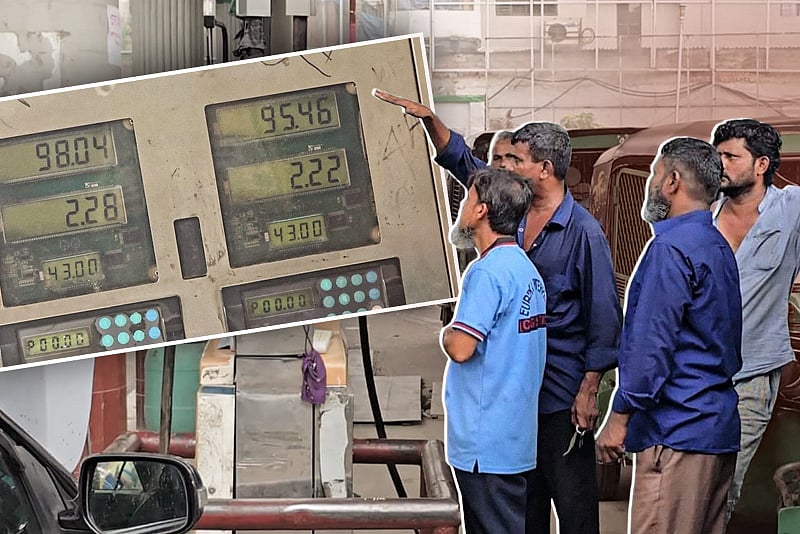
Filling stations in Bangladesh's capital, Dhaka, are experiencing a severe shortage of gasoline. Drivers are facing prolonged waits, often for many hours, without any guarantee of receiving adequate fuel. The situation has led to significant hardship for commuters and transport operators. Many are expressing distress over their inability to carry on with daily activities and livelihoods due to the scarcity. The persistent lack of gasoline is disrupting normal life and economic activities within the city. The government has yet to provide a clear resolution to the ongoing crisis. Residents are struggling to manage their transportation needs. The extended waiting times are causing frustration and uncertainty among the public. This scarcity is impacting various sectors that rely on fuel for transportation and operations.
The gasoline shortage in Dhaka highlights vulnerabilities in the city's energy supply chain management. Frequent fuel crises suggest potential systemic issues, possibly related to import logistics, distribution inefficiencies, or demand forecasting. Addressing these requires a review of infrastructure and policy frameworks to ensure reliable energy access for the public. Long-term solutions should focus on diversifying energy sources and improving storage capacity to mitigate the impact of such disruptions. This situation underscores the need for robust contingency planning to prevent widespread inconvenience and economic slowdown.
AI-generated to prompt reflection — not editorial opinion, not advice, not a statement of fact. How this works.
