Gautam Gambhir and Virat Kohli's On-Field Confrontation Explained
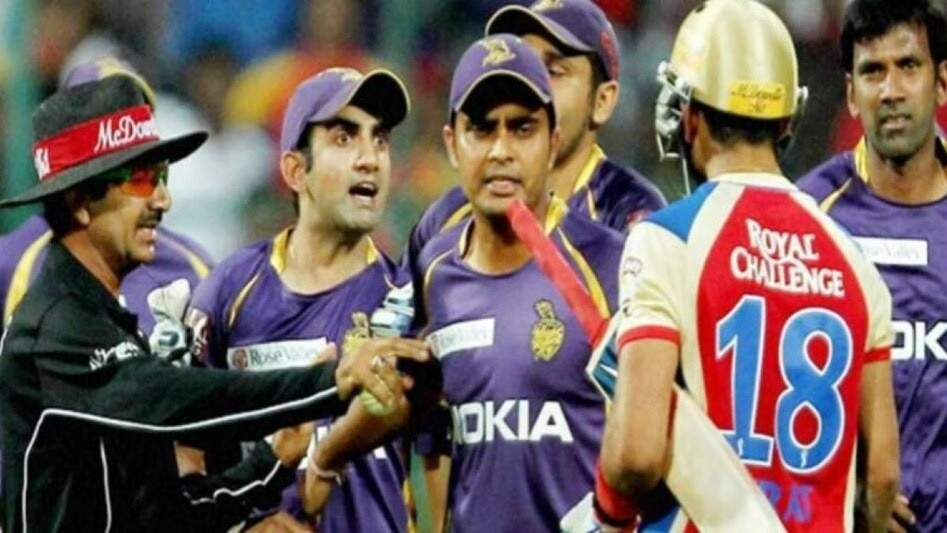
Fans' attention is always fixed on Virat Kohli and Gautam Gambhir when they are on the field, largely due to their past history. The reason for a confrontation between the two cricketing giants has now been revealed. While the exact details of the incident remain somewhat obscure in the provided text, the underlying tension between these prominent players has been a subject of public interest. Their on-field presence often garners significant attention from fans, highlighting their status as cricketing legends. The revelation of the cause behind their clash is expected to shed light on the dynamics between these two well-known figures in the sport. This historical context continues to shape fan perceptions and discussions surrounding their interactions. The rivalry, whether on or off the field, adds an extra layer of excitement for followers of the game. Understanding the origins of such incidents is crucial for a complete picture of the sport's personalities. The explanation aims to clarify the long-standing narrative surrounding Kohli and Gambhir.
The public fascination with player interactions, particularly between high-profile athletes like Virat Kohli and Gautam Gambhir, often stems from a desire to understand the human element behind sporting performance. Explanations for on-field altercations typically involve competitive pressures, differing interpretations of game events, or pre-existing personal dynamics. Analyzing these incidents through the lens of competitive sports psychology reveals how intense environments can amplify individual temperaments. Examining the underlying incentive structures within professional sports, where performance is paramount and public scrutiny is constant, can offer insights into why such confrontations occur. Understanding these dynamics helps to contextualize player behavior, moving beyond simple narratives to a more nuanced appreciation of the pressures and personalities involved in elite competition.
AI-generated to prompt reflection — not editorial opinion, not advice, not a statement of fact. How this works.
