Gauteng's Rivers Choked by Pollution Amid Systemic Failures and Slow Justice
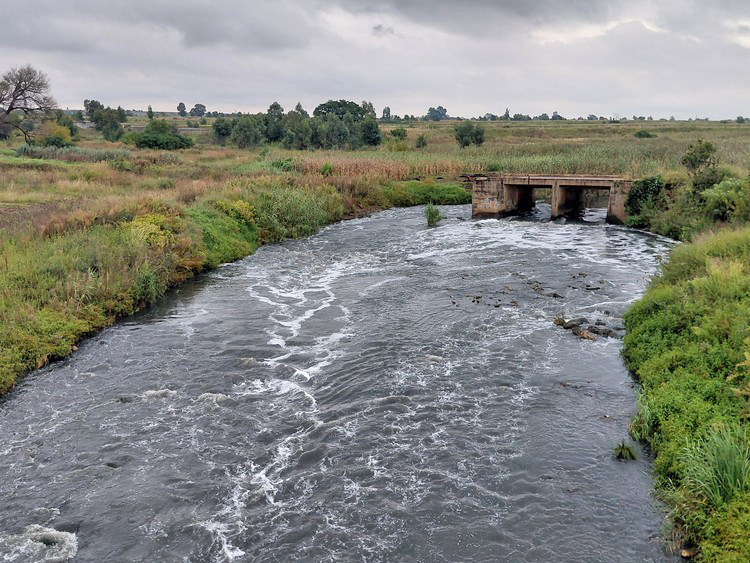
Gauteng's rivers and streams are facing severe pollution, mirroring a broader environmental crisis across South Africa. A prominent example is a broken sewer pipe in Pretoria, which highlights a pervasive systemic collapse in the region's infrastructure. This situation indicates a widespread failure to maintain essential services, leading to the contamination of vital waterways. The pollution poses a significant threat to both the environment and public health. Addressing this crisis requires not only repairing damaged infrastructure but also tackling the sluggish justice system that allows such problems to persist. The combination of decaying pipes and slow legal recourse exacerbates the environmental damage. Urgent intervention is needed to prevent further degradation of Gauteng's natural resources. The long-term consequences of inaction could be severe, impacting ecosystems and communities reliant on these water sources. This situation underscores the critical need for effective governance and timely maintenance of public utilities.
The environmental degradation of Gauteng's waterways, exemplified by broken sewer infrastructure and persistent pollution, points to a critical breakdown in public utility management and enforcement mechanisms. The interplay between aging infrastructure and delayed legal or administrative responses suggests systemic inefficiencies that allow environmental damage to accumulate. Future resilience will likely depend on prioritizing proactive maintenance, investing in robust infrastructure upgrades, and establishing more agile regulatory and judicial processes to hold responsible parties accountable swiftly. This situation offers a case study in the long-term costs of deferred maintenance and the challenges of ensuring environmental stewardship within complex governance structures, particularly as climate change and population growth place increasing strain on water resources.
AI-generated to prompt reflection — not editorial opinion, not advice, not a statement of fact. How this works.